
Back in beta! Stay tuned.

history

Historic Preservation & Misc Information

A simple black and white line drawing of two classical columns, ideal for historic preservation references. The column on the left has a plain capital, while the one on the right features a capital with spiral volutes.

Historic preservation offers diverse approaches, from restoring a structure to its most significant era to preserving its evolving character over time. Whether rehabilitating a space for new uses or reconstructing a lost building, the goal is to maintain historical accuracy while addressing modern needs. These strategies balance scope, cost, and societal value, ensuring that buildings of cultural importance continue to enrich our communities.

Doors to Nowhere

A stick figure falls sideways in mid-air between two closed doors—one on the ground and one above—against a white background, as if exploring Doors to Nowhere.

"Doors to Nowhere" delves into the intriguing world of seemingly non-functional architectural elements. From historical preservation to ingenious utility concealment, these doors exist for diverse reasons beyond simple access. Explore how aesthetic charm, structural practicality in older buildings, and even theatrical needs contribute to their presence, offering insights into their often-overlooked significance in design and construction.

Electrical Outlet; Which Orientation Is Correct?

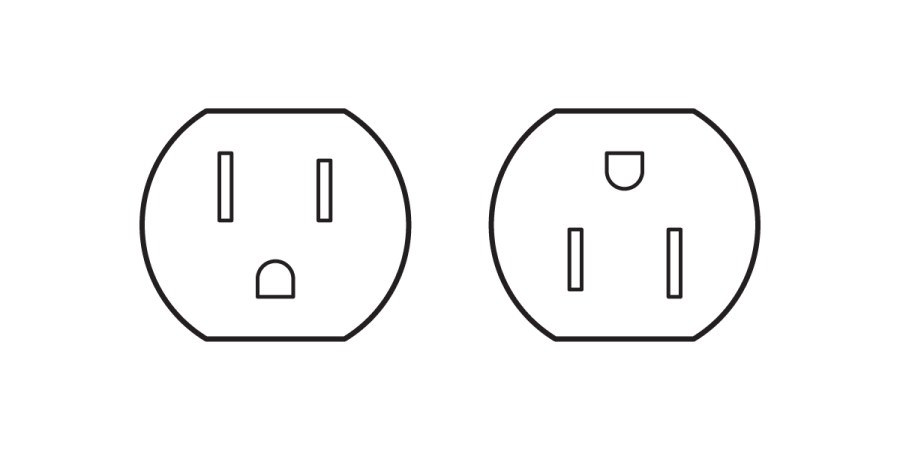
A simple black line drawing of two different electrical outlet types side by side on a white background; each outlet shows three prong slots with distinct configurations, illustrating correct electrical outlet position.

The orientation of electrical outlets, specifically the three-prong ground, often sparks debate. While functionality remains unaffected whether the ground is up or down, historical patents, such as US2872654A, indicate the inventor's original intention for the grounding plug to be positioned on top. However, common practice frequently shows outlets installed with the ground at the bottom, a phenomenon potentially influenced by pareidolia and the visual appeal of a "smiley face" configuration.