
Back in beta! Stay tuned.

pat

Making a PAT file from a Picture
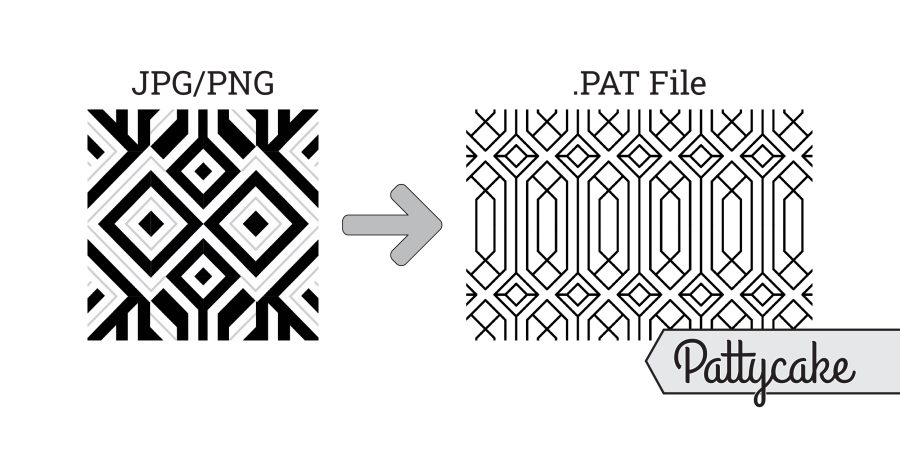
A bold geometric black-and-white pattern Picture labeled JPG/PNG is shown on the left, with an arrow pointing to a similar, thinner-lined design labeled PAT file on the right. “Pattycake” appears in a tag at the bottom right.

Crafting PAT files from images for architectural documentation can be a nuanced process. This guide explores leveraging Pattycake and Revit, focusing on Pattycake's Drawing Canvas for pattern representation. It delves into critical aspects like module size, simplifying with the Least Common Multiple to avoid import issues, and understanding PAT file limitations for precision. Learn to optimize your workflow for professional architectural applications.
How To Document a Custom Railing Pattern

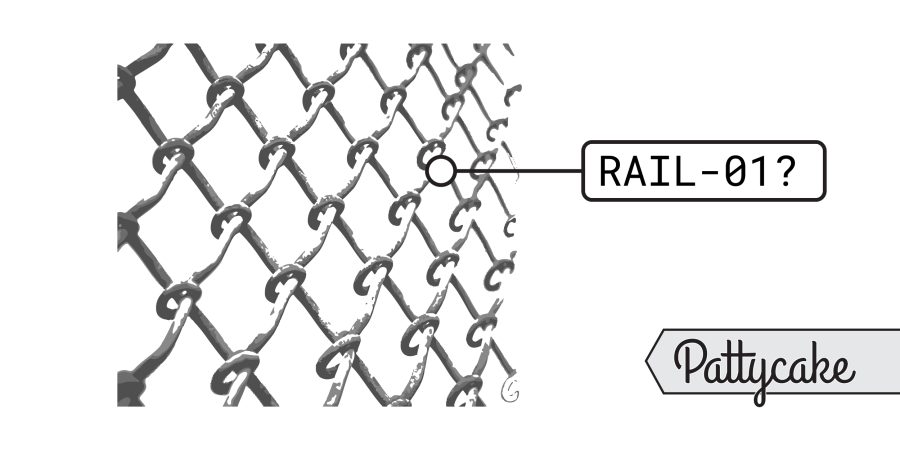
A close-up of a chain-link fence is shown. One link is highlighted with a label reading RAIL-01? and the word Pattycake appears in stylized text at the bottom right corner, referencing custom railing pattern documentation.

Custom patterns are increasingly integrated into architectural components, driven by advancements in laser cutting and CNC machinery. This guide focuses not on design, but on the crucial process of documenting these unique patterns effectively. Understanding the end goal—representation rather than literal modeling—is key. The article emphasizes using PAT files and detailed callouts, along with layout diagrams and renderings, to ensure precise communication of design intent to manufacturers and contractors, ultimately streamlining project delivery.

Case Study: CAD; PAT files vs Blocks vs Lines

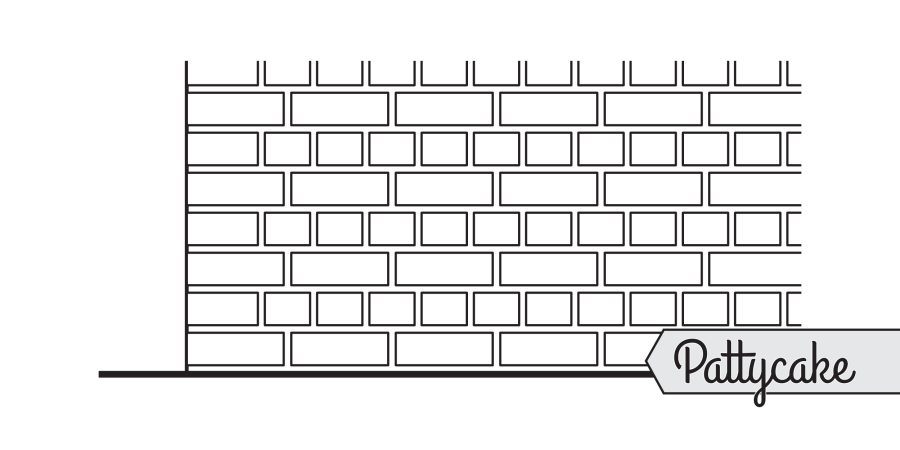
A simple line drawing of a brick wall with five horizontal rows and staggered bricks, perfect for CAD projects or as PAT files. The word Pattycake appears in script inside a label on the lower right corner.

For too long, CAD professionals have grappled with inefficient methods for repetitive elements. This case study rigorously compares traditional lines and blocks against the power of PAT files for creating architectural elevations. Discover how PAT files dramatically reduce file size and drawing time, offering unparalleled speed and flexibility for design changes. Our findings provide concrete evidence for optimizing your workflow, demonstrating significant time savings that directly impact project efficiency.