Back in beta! Stay tuned.

community

Defensible Space

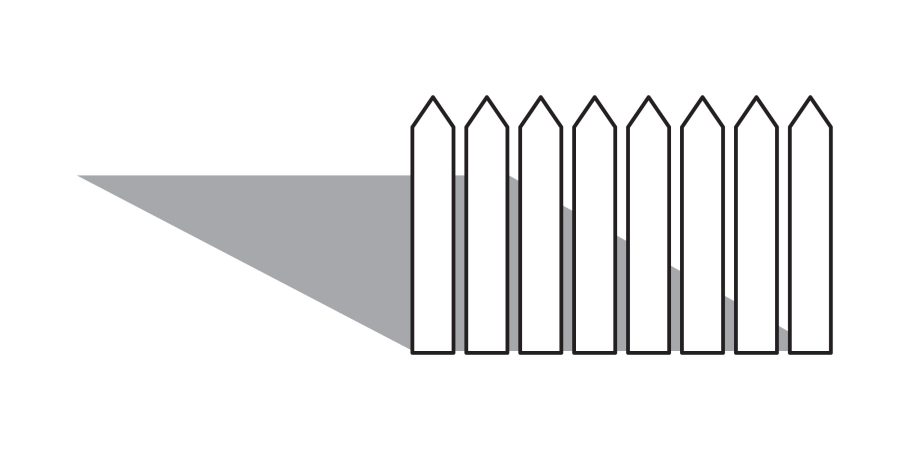
A vertical row of eight picket fence posts with pointed tops casts a solid, triangular shadow to the left on a white background, evoking concepts of defensible space in areas of high population density.

Oscar Newman's 1970s concept of Defensible Space emphasizes architectural design that empowers residents to control their surroundings, fostering a sense of ownership and promoting community safety. This principle suggests that spaces designed with clear territorial markers encourage neighbors to look out for one another, reducing reliance on external intervention. Modifications like gated streets and stricter code enforcement can further enhance this resident-driven security, leading to environments people actively maintain and protect.
Housing Types

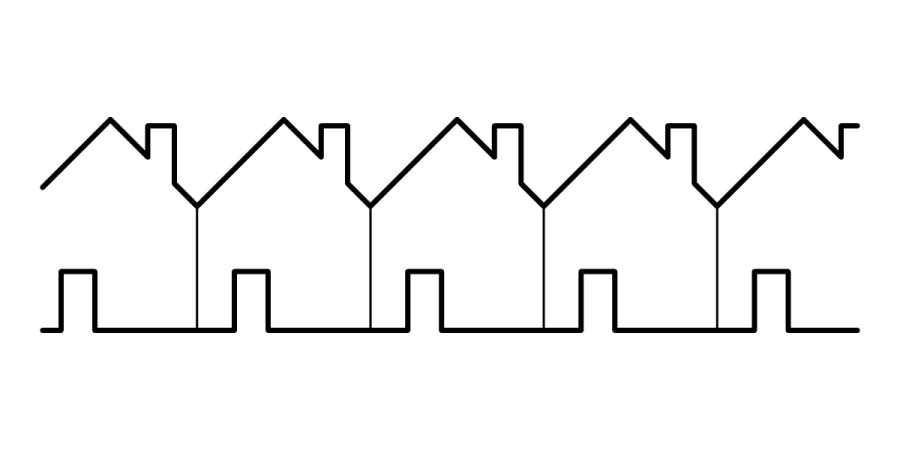
A simple black line drawing shows six connected house shapes in a row, each with a triangular roof and a rectangular door, illustrating different housing types in a continuous outline on a white background.

Urban planning hinges on housing, the most significant component of city design. Diverse housing typologies—from single-family homes to high-rise apartments—each present unique advantages and disadvantages for designers to consider. A successful urban environment thoughtfully integrates these various housing types with communal spaces and transportation methods to appeal to a broad demographic and foster a vibrant community.