Back in beta! Stay tuned.

electrical

Photovoltaics (Solar Panels)
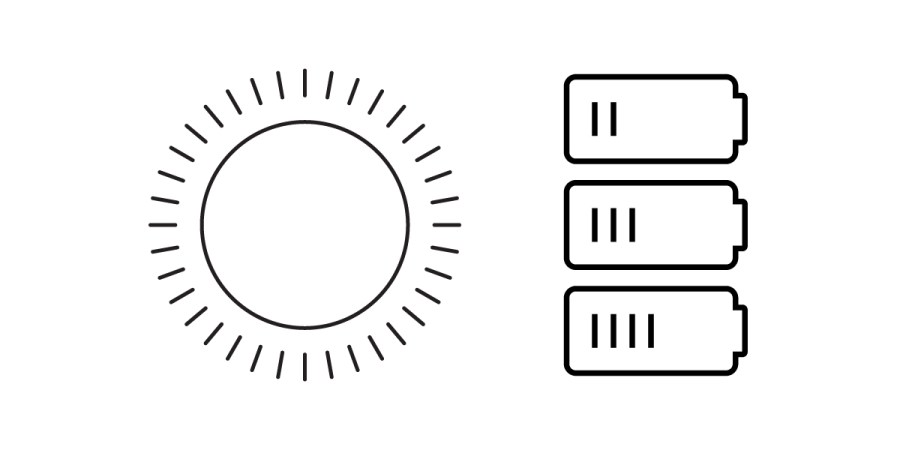
A simple line drawing showing a sun—representing solar panels—on the left and three battery icons on the right, each with charging bars displayed inside.

Photovoltaic systems (PVs) convert sunlight into electricity, utilizing semiconductor materials that generate DC electricity, which is then transformed into AC. PVs can be arrayed or integrated into structures and must comply with safety codes. They offer renewable energy benefits, but have high initial costs and require favorable locations for efficiency.
Electricity

Two black outline icons of light bulbs on a white background; the bulb on the left is crossed out with a diagonal line, while the bulb on the right is not crossed out.

Understanding the fundamentals of electricity is essential for architectural professionals. This guide explores the core components of electric circuits, the advantages of underground power lines, and standard voltage applications for residential, commercial, and industrial projects. Delve into the differences between AC and DC current, essential circuitry, and key power quality considerations like UPS systems. Gain insights into secondary distribution, grounding, and critical wiring devices for effective building design.

Light Switches

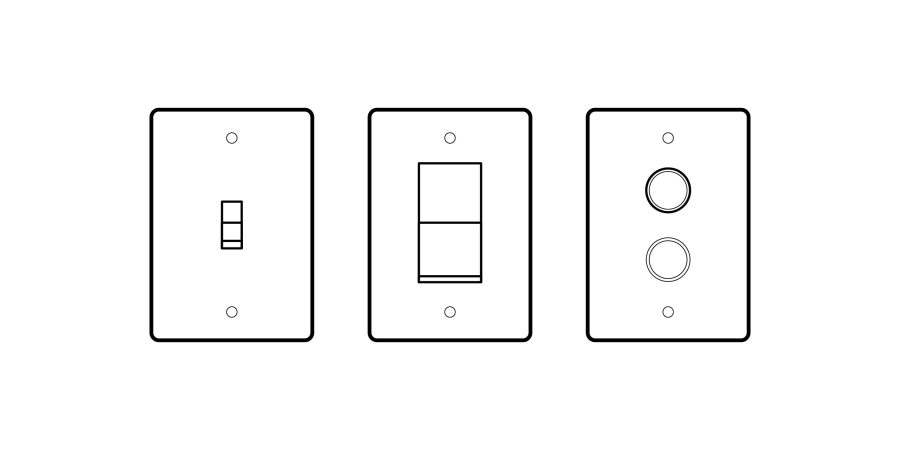
Three light switch styles: a traditional toggle on the left, a rocker switch in the center, and a double push button switch on the right, each set against a plain white background.

Light switches, once simple on/off mechanisms, have evolved significantly. Modern innovations include Wi-Fi and Bluetooth capabilities, offering advanced automatic functions. Beyond basic toggle switches, options like dimmers, occupant sensors, and timer controls enhance energy efficiency and ambiance. Understanding these diverse styles and functions, along with code and energy considerations, is crucial for contemporary architectural design and building systems.

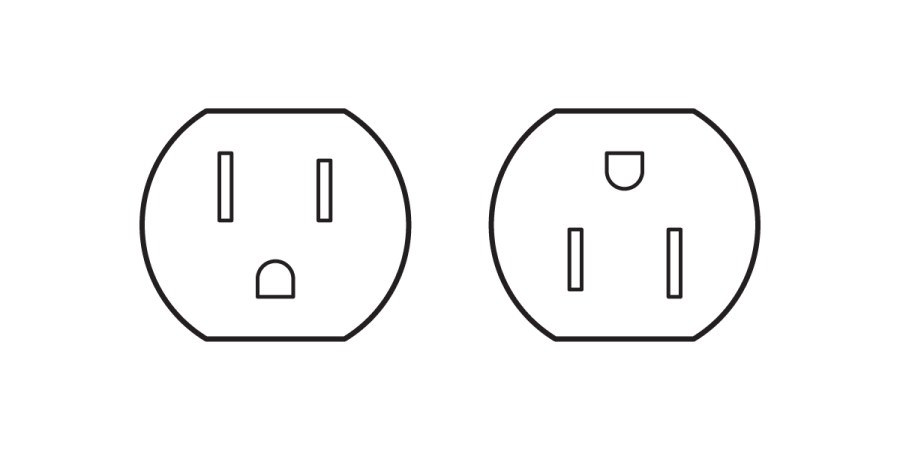
Electrical Outlet; Which Orientation Is Correct?

A simple black line drawing of two different electrical outlet types side by side on a white background; each outlet shows three prong slots with distinct configurations, illustrating correct electrical outlet position.

The orientation of electrical outlets, specifically the three-prong ground, often sparks debate. While functionality remains unaffected whether the ground is up or down, historical patents, such as US2872654A, indicate the inventor's original intention for the grounding plug to be positioned on top. However, common practice frequently shows outlets installed with the ground at the bottom, a phenomenon potentially influenced by pareidolia and the visual appeal of a "smiley face" configuration.