Back in beta! Stay tuned.

panels

Photovoltaics (Solar Panels)
A simple line drawing showing a sun—representing solar panels—on the left and three battery icons on the right, each with charging bars displayed inside.

Photovoltaic systems (PVs) convert sunlight into electricity, utilizing semiconductor materials that generate DC electricity, which is then transformed into AC. PVs can be arrayed or integrated into structures and must comply with safety codes. They offer renewable energy benefits, but have high initial costs and require favorable locations for efficiency.

Oil Canning

A series of seven evenly spaced, parallel black lines run diagonally from the upper left to the lower right on a white background with a faint, intricate pattern.

Oil canning, the visible waviness in thin-sheet metal, is a common cosmetic issue in architectural applications. While it doesn't compromise structural integrity, it can detract from a smooth aesthetic. This phenomenon arises from factors like thermal expansion, uneven loading, and manufacturing tolerances. Understanding its causes is crucial for prevention, with best practices including using thicker metals, matte finishes, and designing for proper thermal movement to ensure a pristine metal facade.

Structural Insulated Panels (SIPS)

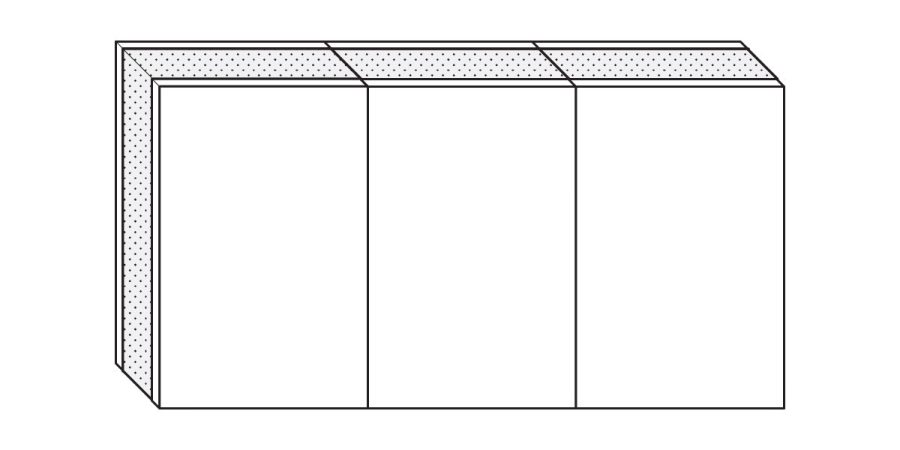
A simple line drawing of a rectangular three-panel cabinet with solid front doors and textured sides and top, viewed at an angle to show depth—design inspired by Structural Insulated Panels (SIPS) for enhanced durability.

Structural Insulated Panels (SIPs) offer a highly efficient and robust alternative to traditional construction. These composite units, typically featuring OSB skins and an EPS core, are factory-manufactured for precision and faster on-site assembly. Key advantages include reduced construction time, superior insulation with minimal thermal bridging, and enhanced structural integrity, making them a sustainable choice for modern architecture.