Back in beta! Stay tuned.

construction

Heavy Timber

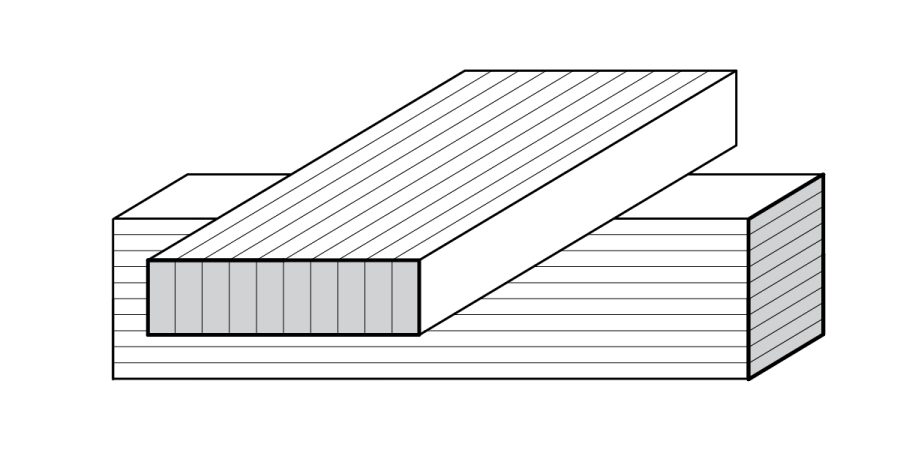
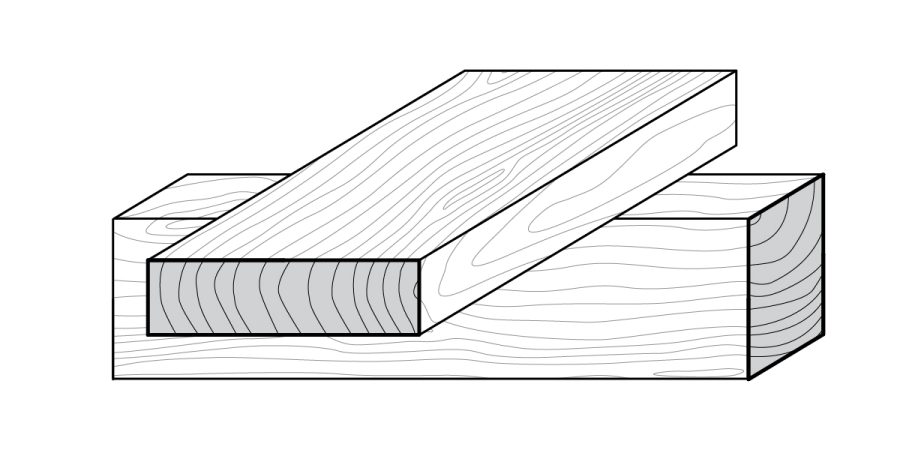
Heavy timber construction involves large solid timbers used for columns, beams, and planking, often combined with noncombustible materials for walls. Though one of the oldest building types in the U.S., heavy timber is largely being replaced by engineered mass timber due to cost and resource limitations. Both have distinct characteristics.
Wall Partition Types

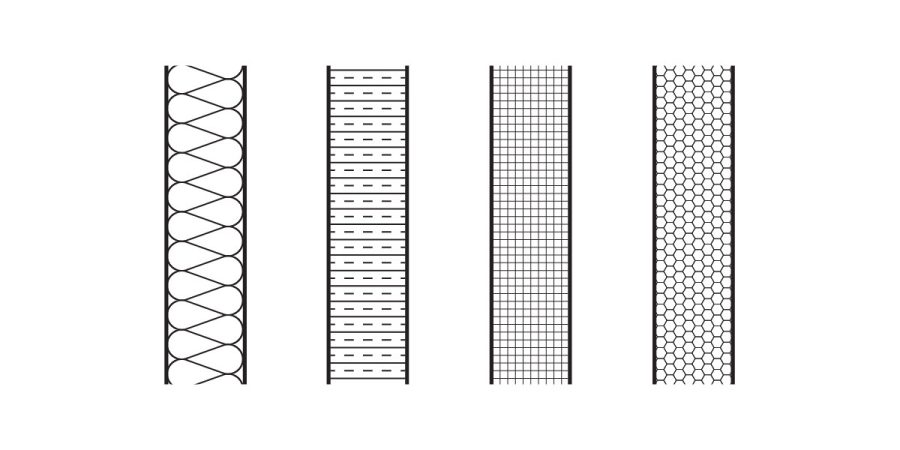
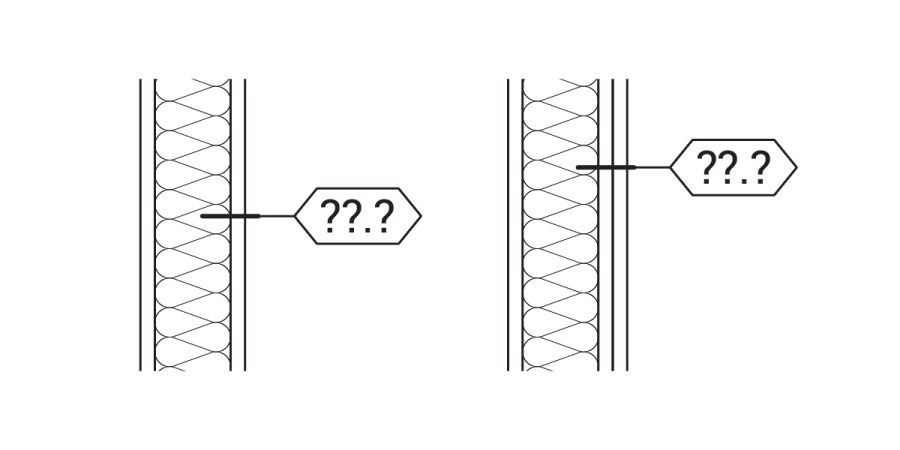
Two black-and-white diagrams of cellular structures side by side, each with a hexagonal label marked ??? pointing to a specific part of the structure within the vertical columns, resembling different wall partition types.

Effective wall labeling is crucial for clear construction documentation. This guide explores various approaches to classifying interior partition walls, from simple designations to complex, formula-based systems. Understanding the pros and cons of each method, along with considerations for fire-resistance ratings, acoustics, and detailed sheet notes, helps architects choose the most consistent and efficient documentation standards for their projects.

Wood Framing & Sheathing Materials

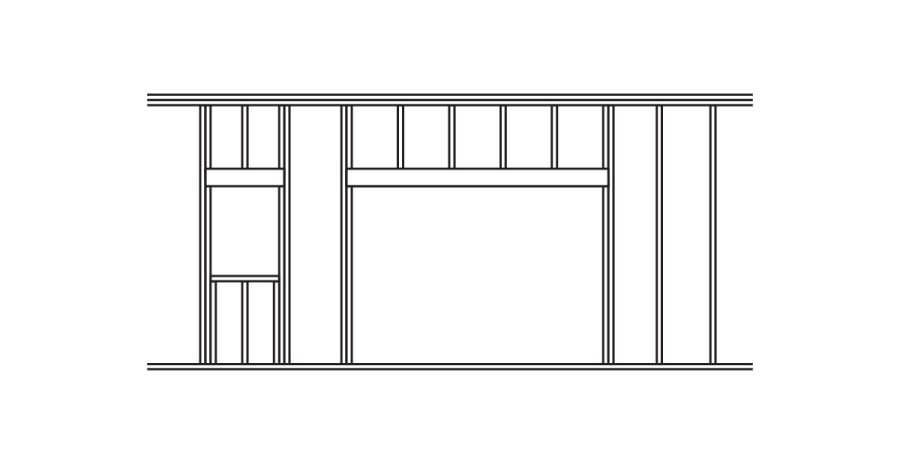
Black and white line drawing of a wood framing wall with studs, a large central opening, and smaller framed sections on the left side. Horizontal and vertical lines indicate the structure for sheathing materials.

The content outlines various wood and framing terms, distinguishing between wood, lumber, and timber. It details light and heavy timber constructions, different framing types like balloon and platform framing, and explains structural components such as openings, firestops, sheathing, plywood, and engineered panels like OSB and MDF.

Mass Timber

Mass Timber (MT) has rapidly evolved from a niche product to a mainstream construction option, driven by exponential growth since 2010. This engineered wood system offers precise manufacturing with CNC technology, leading to tight tolerances and faster on-site construction. Beyond its efficiency, MT buildings boast impressive fire resistance through charring and significant carbon sequestration. Understanding its diverse panel and beam products, along with key considerations like MEP coordination and acoustics, is crucial for successful integration.

Wall Assembly Thermal Gradient

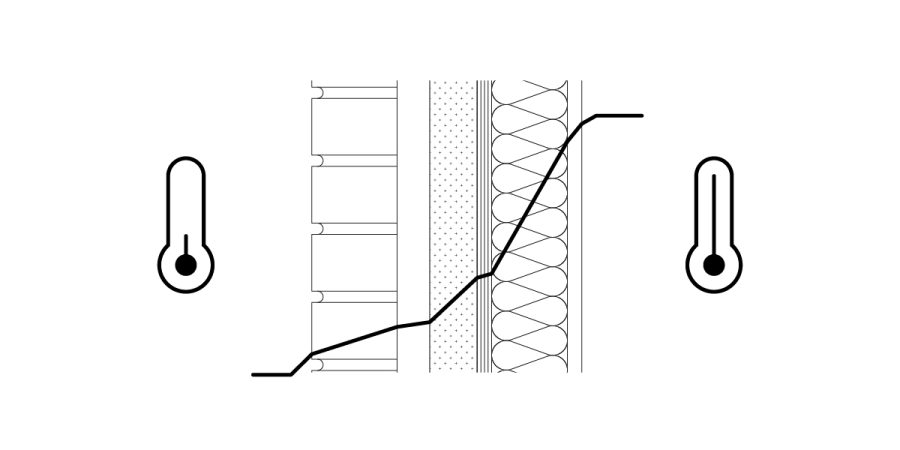
Understanding the thermal gradient within a wall assembly is crucial for effective architectural design, particularly in preventing moisture issues. This analysis involves evaluating material R-values and their impact on temperature variance, helping designers identify potential dew points. By considering factors like ASHRAE guidelines and site-specific weather, professionals can ensure assemblies meet performance requirements, even accounting for extreme conditions and internal humidity spikes.

Insulation R-Values Chart

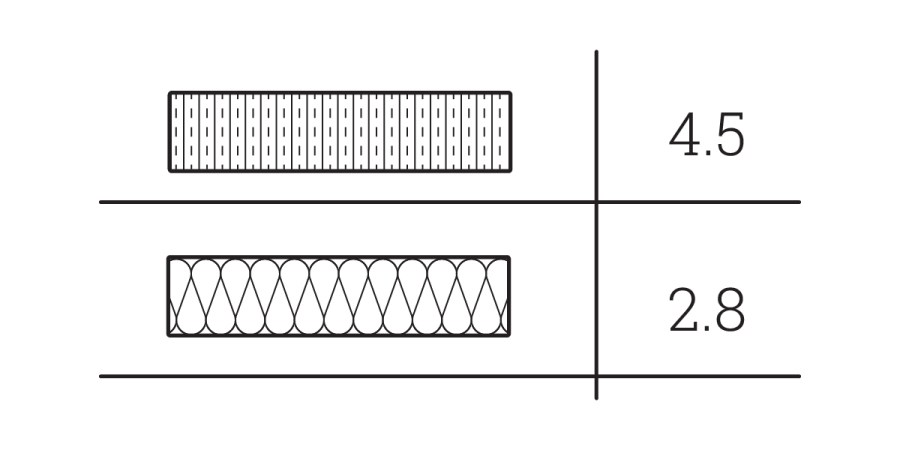
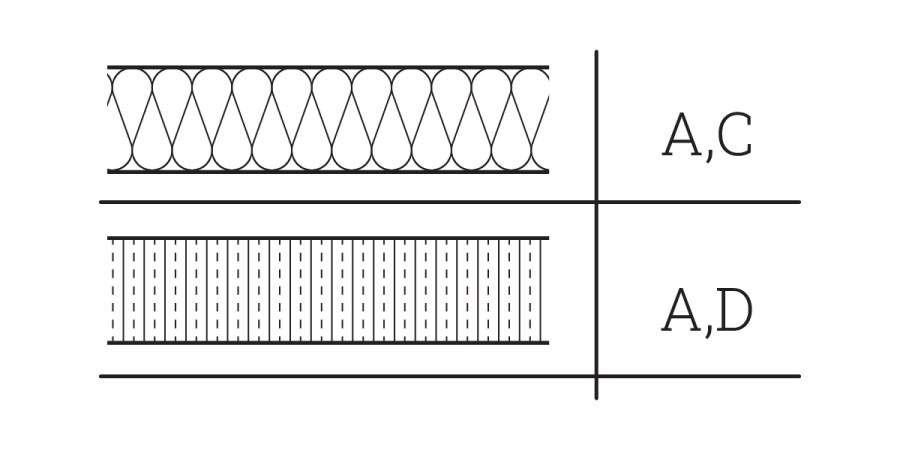
Two side-by-side rectangles, one above the other, separated by a horizontal line. The top rectangle, marked with vertical lines, is labeled 4.5 R-Value; the bottom, with a zigzag pattern, is labeled 2.8—great for an insulation diagram or R-Values chart.

This detailed chart outlines various thermal insulation types and their estimated R-values, crucial for precise space calculations in architectural design. Given the continuous advancements in insulation technology, it's vital to verify product specifications against design minimums on-site. This resource is regularly updated, and we welcome suggestions to ensure its accuracy and comprehensiveness for industry professionals.

Construction Overhead and Profit

A simple line graph with an upward trend is shown next to an outline of a generic person icon, indicating progress or growth related to Construction Management for an individual.

Understanding construction overhead and profit is crucial for any successful project. General contractors operate as businesses, with primary goals of profitability. This includes covering general operating costs (General Overhead) and project-specific expenses (Project Overhead), distinct from labor, materials, and equipment. Profit percentages vary widely based on project size, type, economic conditions, and associated risks, highlighting the dynamic nature of construction finance.

Construction Types & Allowable Area

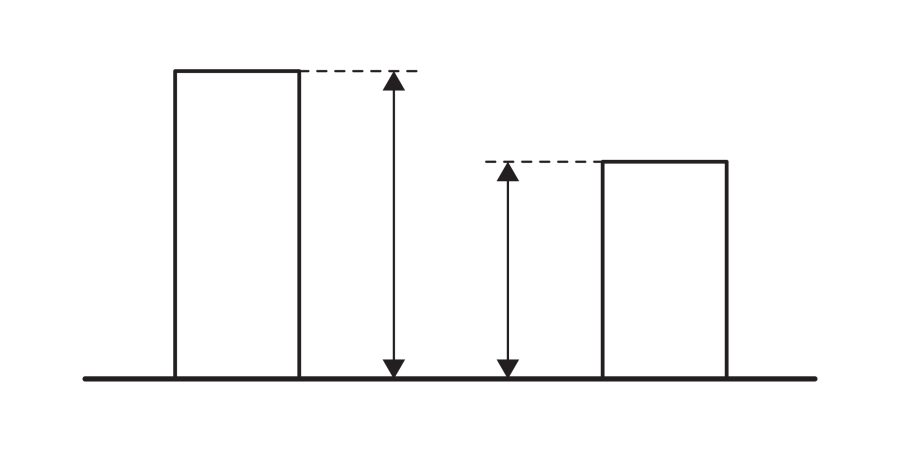
Two vertical bars of different heights, representing varying Construction Types, are shown side by side. Each bar has a dashed line from its top, with a double-headed arrow indicating the Allowable Area for each type.

Understanding a building's construction type and occupancy group is crucial for determining its allowable area and height, as outlined by the IBC. These classifications dictate fire resistance and structural integrity, ensuring safety during an emergency. Factors like fire zones, sprinkler systems, and building frontage also play a significant role in establishing the maximum permissible size, emphasizing the interconnectedness of safety regulations in architectural design.

Oil Canning

A series of seven evenly spaced, parallel black lines run diagonally from the upper left to the lower right on a white background with a faint, intricate pattern.

Oil canning, the visible waviness in thin-sheet metal, is a common cosmetic issue in architectural applications. While it doesn't compromise structural integrity, it can detract from a smooth aesthetic. This phenomenon arises from factors like thermal expansion, uneven loading, and manufacturing tolerances. Understanding its causes is crucial for prevention, with best practices including using thicker metals, matte finishes, and designing for proper thermal movement to ensure a pristine metal facade.

Hardwood & Softwood – Wood Types

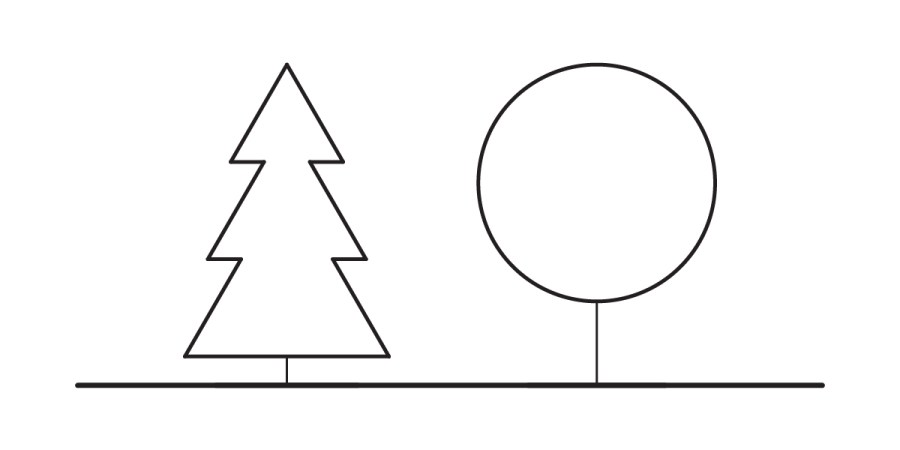
A simple line drawing of two trees on a horizontal line; the left tree, shaped like a triangle, suggests softwood, while the right tree’s circular form hints at hardwood or other wood types.

Explore the fundamental distinctions between hardwood and softwood, crucial for architectural projects. This guide delves into definitions of wood, lumber, and timber, clarifying their uses in rough and finish carpentry. Understand how properties, grading, and classifications influence material selection, from structural applications to aesthetically driven finishes. Learn about common wood defects and their impact on strength and appearance.

Critical Path Method (CPM)

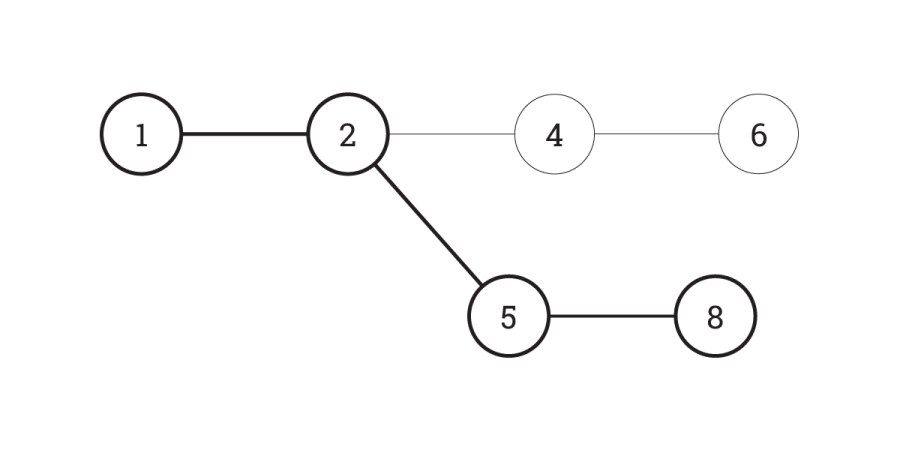
A simple CPM graph with six nodes labeled 1, 2, 4, 5, 6, and 8. In this project management diagram, node 1 connects to 2; 2 connects to 4 and 5; 4 connects to 6; 5 connects to 8. Nodes 1, 2, 5, and 8 are bold.

The Critical Path Method (CPM) is a crucial project management tool, offering a detailed network diagram to define activity sequences, durations, and interdependencies. Unlike GANTT charts, CPM excels at identifying project bottlenecks and critical activities—those whose delay directly impacts project completion. Understanding CPM allows professionals to streamline schedules, optimize resource allocation, and efficiently manage complex architectural and construction projects.

Conformed Set

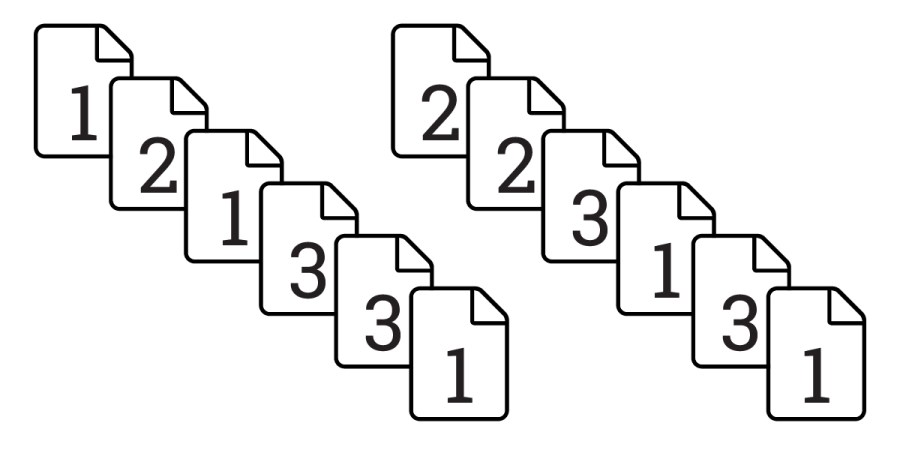
Nine document icons form two diagonal lines, each representing a Conformed Set. The first line shows documents labeled 1, 2, 3 three times, while the second line repeats 2, 3, 1 three times.

Understanding a "conformed set" is crucial for architects and design professionals. This artificial drawing set, never formally issued, compiles the latest updated sheets from various bulletins into one comprehensive document. Unlike simply printing from design software, a conformed set ensures all revisions are accurately represented, providing a clear, up-to-date snapshot of the project's progress without the risk of showing unvetted changes or incorrect revision bubbles.

Structural Insulated Panels (SIPS)

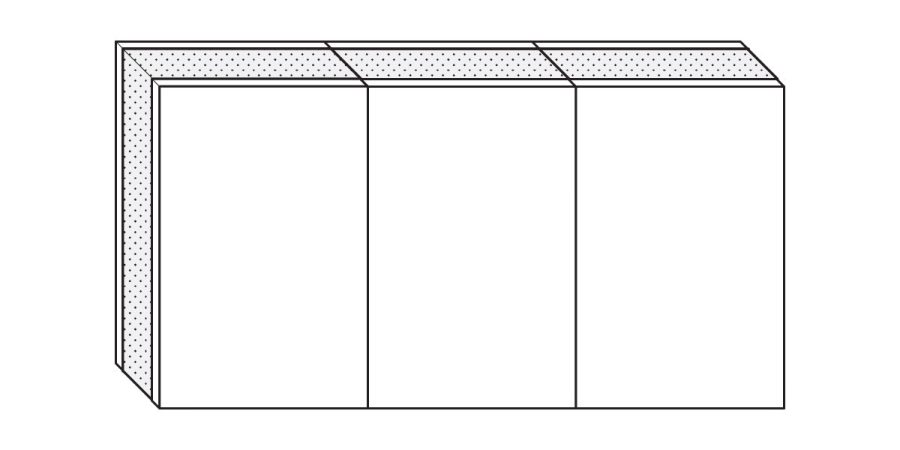
A simple line drawing of a rectangular three-panel cabinet with solid front doors and textured sides and top, viewed at an angle to show depth—design inspired by Structural Insulated Panels (SIPS) for enhanced durability.

Structural Insulated Panels (SIPs) offer a highly efficient and robust alternative to traditional construction. These composite units, typically featuring OSB skins and an EPS core, are factory-manufactured for precision and faster on-site assembly. Key advantages include reduced construction time, superior insulation with minimal thermal bridging, and enhanced structural integrity, making them a sustainable choice for modern architecture.

Concrete Formwork

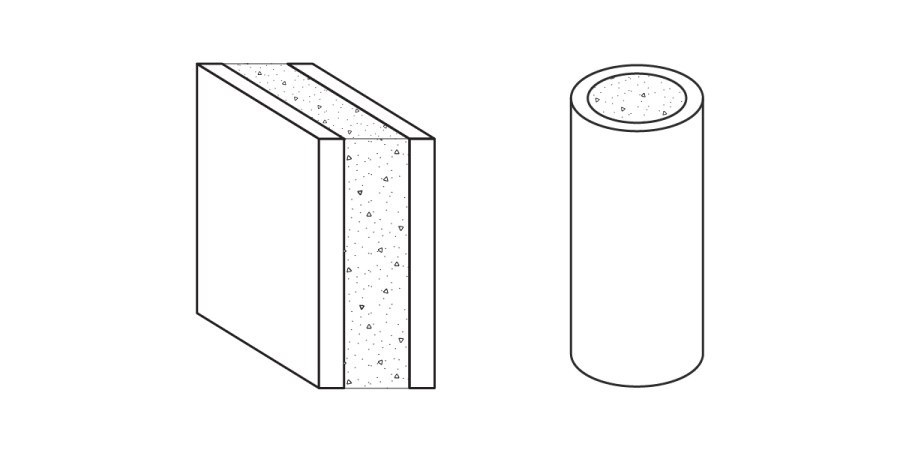
A black and white diagram shows a rectangular block with a textured inner layer and a smooth outer layer, illustrating concrete formwork, next to a solid cylinder with a small circular area visible at the top.

Formwork is essential for concrete construction, creating the temporary molds that shape wet concrete. While 3/4" plywood is standard, materials like steel and specialized coatings enhance reusability and durability. Key considerations include the formwork's strength to withstand immense concrete pressure and its constructability for easy assembly and removal. Modern advancements offer innovative solutions, such as insulated concrete forms (ICFs) that provide both structure and insulation, and specialized techniques like slip forming and flying forms that optimize efficiency for repetitive structures.

Glass & Glazing Types

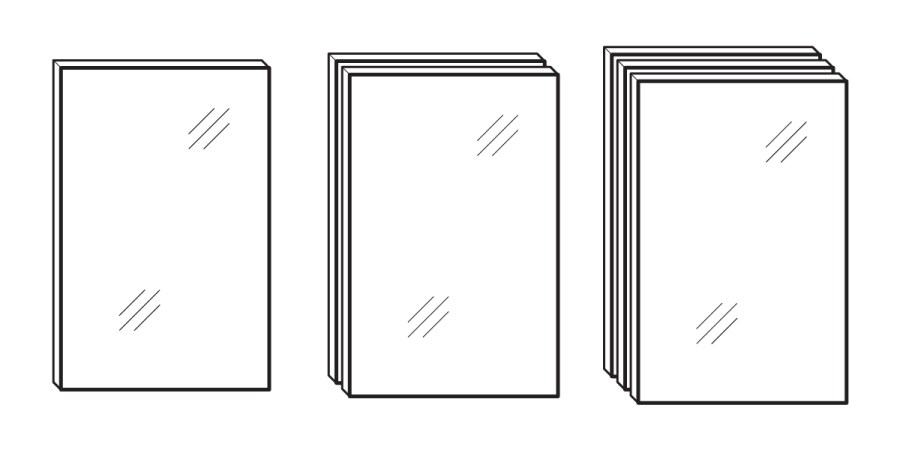
Three stacks of rectangular sheets illustrate various glass types: one sheet in the first stack, three in the second, and five in the third. Each sheet features two angled lines to suggest a reflective surface.

Understanding the diverse world of glass and glazing is crucial for architectural professionals. This comprehensive guide delves into various glass types, from the widely used float glass to specialized options like tempered, laminated, and low-emissivity glass. Explore definitions of key terms such as energy-efficient glazing and safety glass, and gain insights into how these materials contribute to building performance, aesthetics, and occupant comfort.

Roofing Types & Info

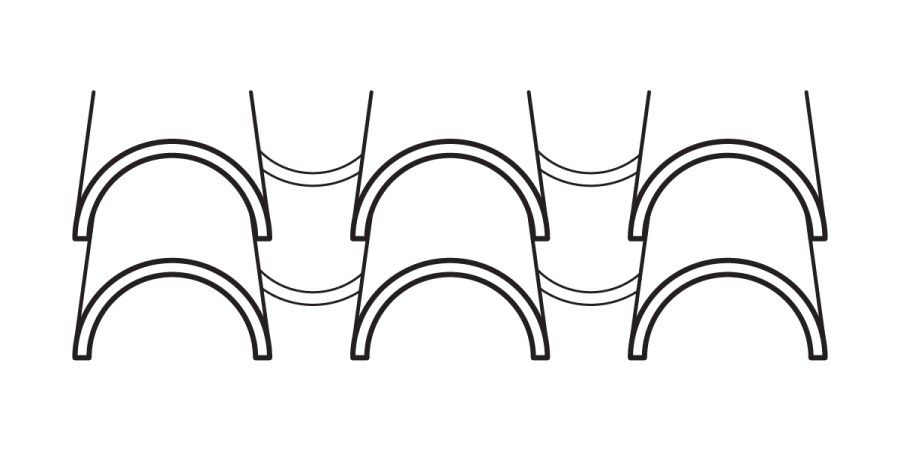
A black and white line drawing of overlapping arches arranged in two horizontal rows, creating a repeating geometric pattern against a white background.

Understanding diverse roofing systems is crucial for architectural success. From traditional shingles and durable tiles to advanced membrane options and metal solutions, each type offers unique advantages in terms of material, installation, and performance. This comprehensive guide delves into various roof types, highlighting key considerations like slope, ponding prevention, material properties, and essential accessory components, ensuring informed decisions for lasting structural integrity.