Back in beta! Stay tuned.

management

Critical Path Method (CPM)
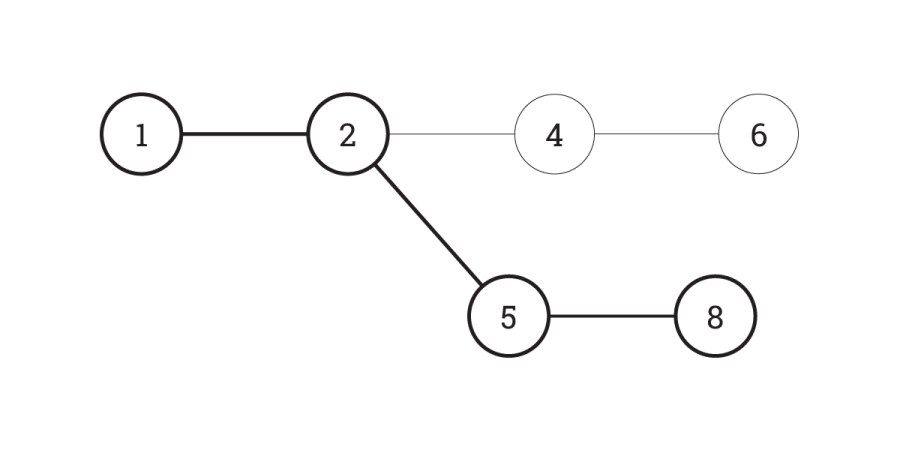
A simple CPM graph with six nodes labeled 1, 2, 4, 5, 6, and 8. In this project management diagram, node 1 connects to 2; 2 connects to 4 and 5; 4 connects to 6; 5 connects to 8. Nodes 1, 2, 5, and 8 are bold.

The Critical Path Method (CPM) is a crucial project management tool, offering a detailed network diagram to define activity sequences, durations, and interdependencies. Unlike GANTT charts, CPM excels at identifying project bottlenecks and critical activities—those whose delay directly impacts project completion. Understanding CPM allows professionals to streamline schedules, optimize resource allocation, and efficiently manage complex architectural and construction projects.

Managing Revit File Size & Performance

Maintaining optimal Revit file size and performance is crucial for efficient project delivery in architecture. While there's no single solution, a combination of strategies is key to managing file bloat and ensuring smooth operation. This guide provides actionable tips, from purging unused elements to optimizing models and handling external data, helping BIM coordinators and designers proactively control file growth and enhance productivity.

The Iron Triangle

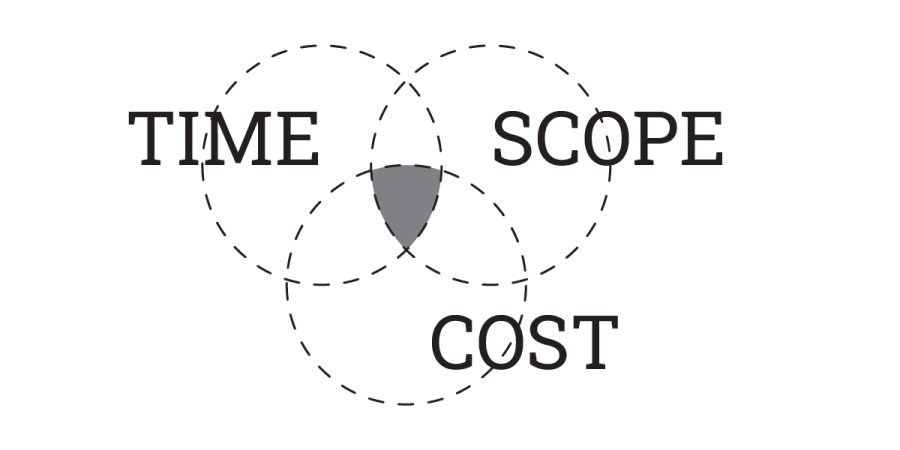
A Venn diagram with three intersecting circles labeled TIME, SCOPE, and COST illustrates the Iron Triangle of project management, with the shaded center highlighting the intersection of these key constraints.

Successful project planning in architecture hinges on mastering the "Iron Triangle": Scope, Time, and Cost. These three variables dictate a project's quality, and crucially, not all three can be fixed simultaneously. Understanding their interconnectedness is vital, as altering one inevitably impacts the others. While the traditional model applies, architecture often faces a fixed scope, shifting the focus to managing Time, Cost, and Quality for optimal results.

Quality Control & Coordination

A simple black and white line drawing of a magnifying glass, symbolizing quality control, with a circular lens and straight handle, shown on a plain white background.

Navigating quality control in architecture is crucial for successful projects. From QAQC acronyms to critical considerations like dimensional tolerances, aesthetics, and mock-ups, understanding these elements is vital. Architects ultimately hold the authority to ensure construction adheres to design intent and aesthetic standards, directly impacting project outcomes and client satisfaction.