Back in beta! Stay tuned.

timber

Engineered Wood Systems
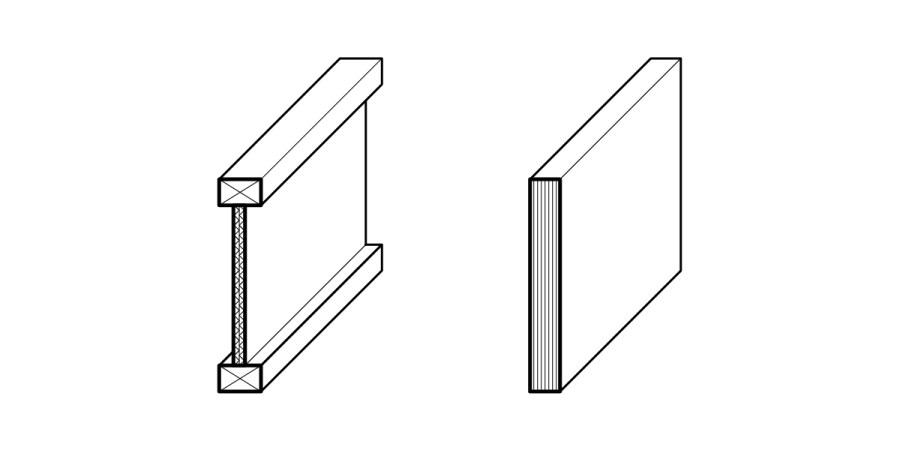
A line drawing shows two objects: on the left, a rectangular frame with a diagonal crisscross pattern inside, and on the right, a solid rectangular panel with visible layers. Both are oriented vertically.

Engineered wood systems are transforming construction with products designed for superior durability, stability, and predictable performance over traditional solid wood. By efficiently binding wood fibers and combining them with materials like adhesives, metal, or plastic, these systems offer a sustainable and cost-effective alternative. From Mass Timber and Structural Composite Lumber (SCL) families like LVL and PSL, to Wood Trusses and I-Joists, engineered wood provides consistent strength, accurate span capabilities, and better use of natural resources for modern architectural applications.
Heavy Timber

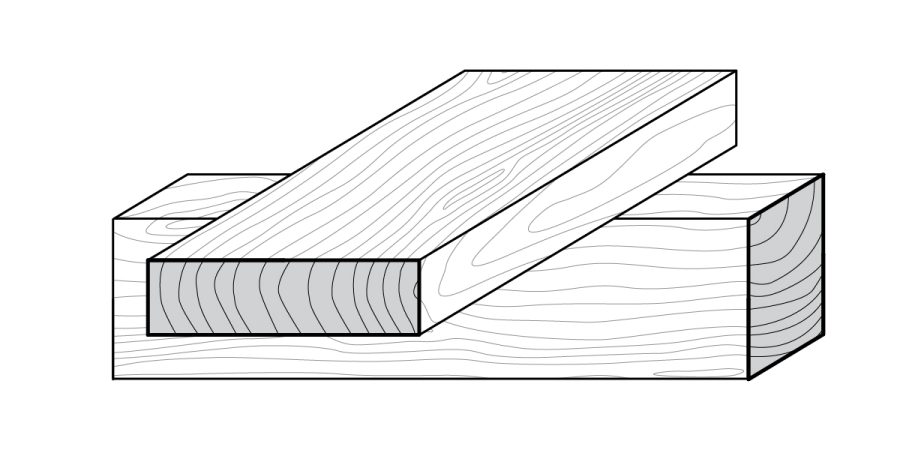
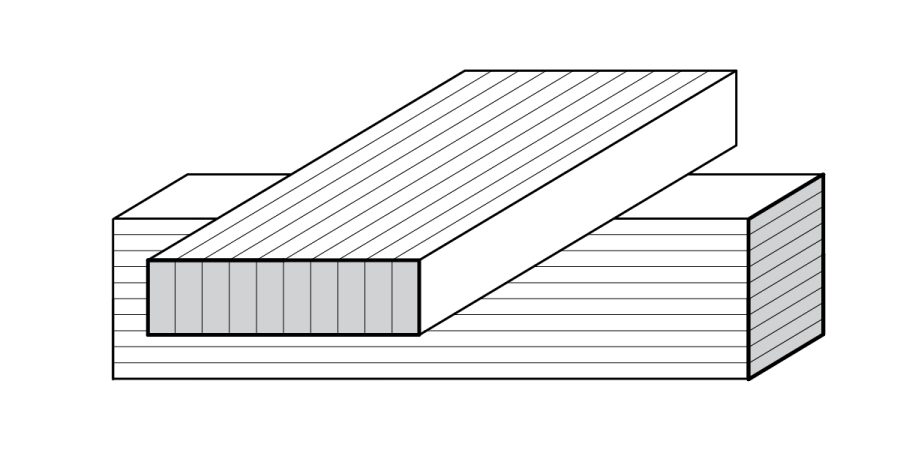
Heavy timber construction involves large solid timbers used for columns, beams, and planking, often combined with noncombustible materials for walls. Though one of the oldest building types in the U.S., heavy timber is largely being replaced by engineered mass timber due to cost and resource limitations. Both have distinct characteristics.

Mass Timber

Mass Timber (MT) has rapidly evolved from a niche product to a mainstream construction option, driven by exponential growth since 2010. This engineered wood system offers precise manufacturing with CNC technology, leading to tight tolerances and faster on-site construction. Beyond its efficiency, MT buildings boast impressive fire resistance through charring and significant carbon sequestration. Understanding its diverse panel and beam products, along with key considerations like MEP coordination and acoustics, is crucial for successful integration.