
Concrete Testing

Discover the different finishing techniques for concrete to shape aesthetics and control the finish over time. From rough form to architectural finishes, explore how to achieve the desired look.
Discover the different finishing techniques for concrete to shape aesthetics and control the finish over time. From rough form to architectural finishes, explore how to achieve the desired look.
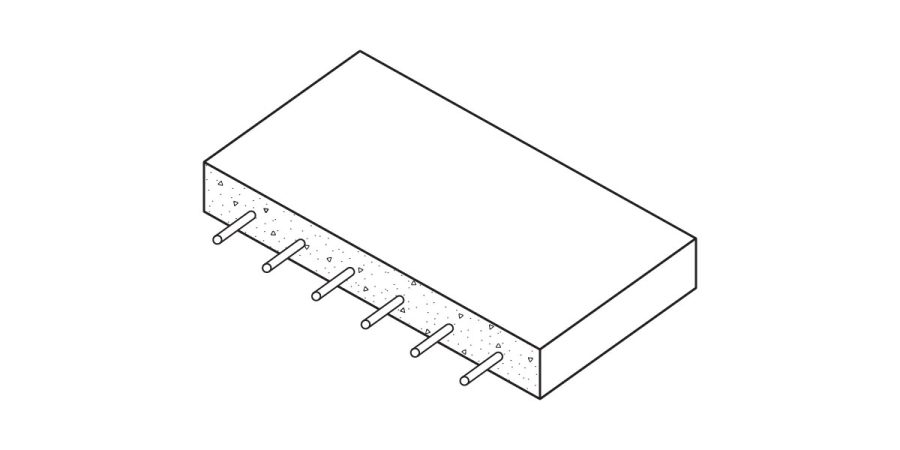
Discover the different finishing techniques for concrete to shape aesthetics and control the finish over time. From rough form to architectural finishes, explore how to achieve the desired look.
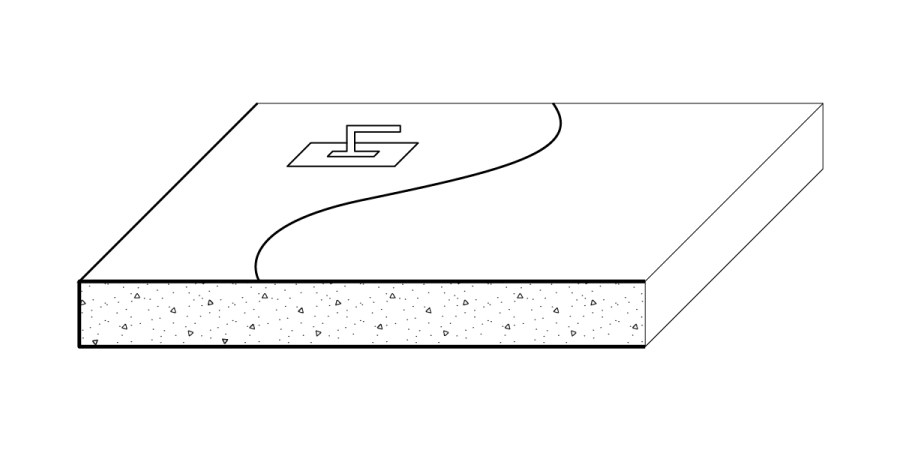
Discover the different finishing techniques for concrete to shape aesthetics and control the finish over time. From rough form to architectural finishes, explore how to achieve the desired look.
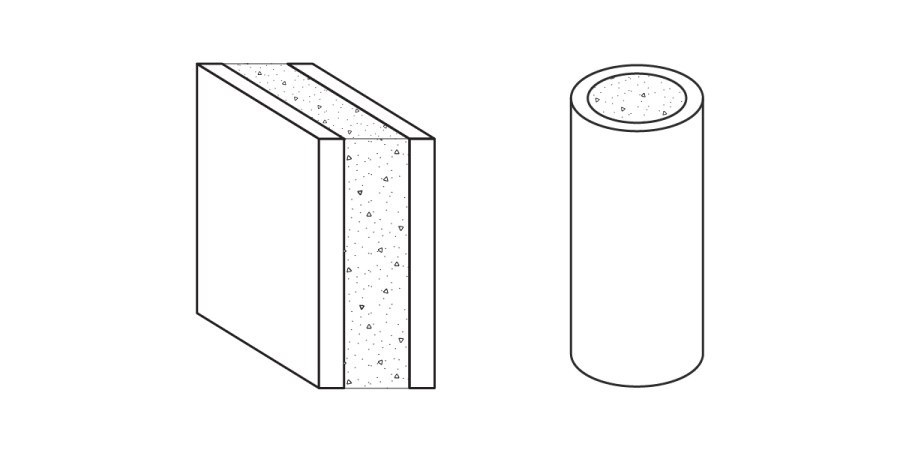
Formwork is essential for concrete construction, creating the temporary molds that shape wet concrete. While 3/4" plywood is standard, materials like steel and specialized coatings enhance reusability and durability. Key considerations include the formwork's strength to withstand immense concrete pressure and its constructability for easy assembly and removal. Modern advancements offer innovative solutions, such as insulated concrete forms (ICFs) that provide both structure and insulation, and specialized techniques like slip forming and flying forms that optimize efficiency for repetitive structures.

Concrete, a foundational material in architecture, can face various challenges beyond mere aesthetics. Internal issues like Alkali-silica Reaction (ASR), or "concrete cancer," and high alkalinity can compromise its structural integrity and affect finishes. While many tests exist to ensure strength, standardized procedures for pH levels are lacking, highlighting the need for careful specification, transport, and on-site practices to mitigate common problems.

Concrete is an incredibly versatile material, adaptable for structural and non-structural uses. From Joseph Aspdin's early Portland Cement to modern innovations, concrete's evolution has been remarkable. Understanding its basic components—cement, aggregates, and water—and how their proportions impact strength and workability is crucial for architects. This overview delves into concrete's history, materials, design considerations, and various types, offering a comprehensive guide for professionals.