Back in beta! Stay tuned.

materials

Indoor Air Quality (IAQ)
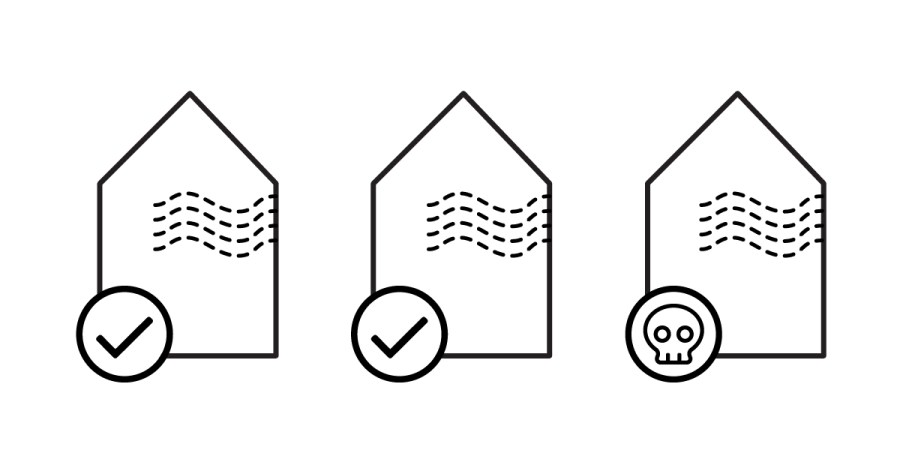
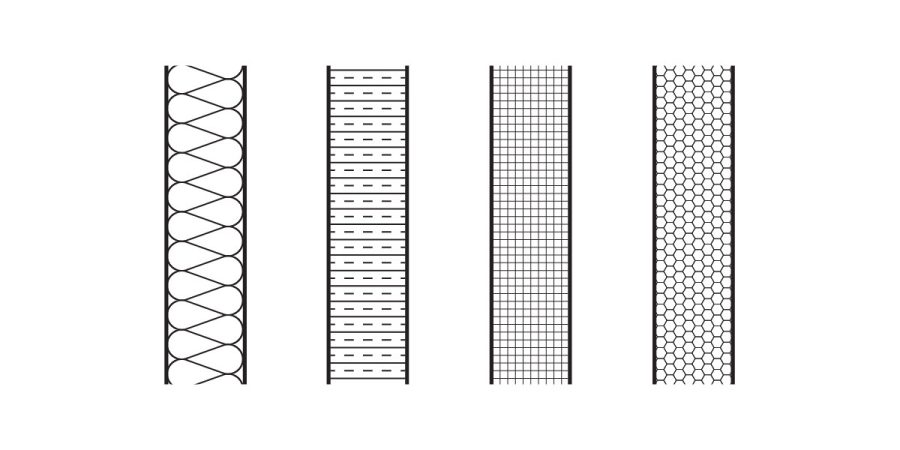
Three envelope icons are shown in a row. The first two, marked with a check for good IAQ, contrast with the third, which features a skull symbol to highlight poor Indoor Air Quality.

Indoor Air Quality (IAQ) is paramount in building design, directly impacting occupant health, productivity, and a building's habitability. Modern, tighter construction, while energy efficient, exacerbates IAQ challenges by reducing fresh air infiltration. Architects must proactively implement a multi-faceted approach, focusing on eliminating pollution sources, meticulous moisture control, optimized ventilation systems, appropriate filtration (including HEPA), and selecting low-VOC materials and sustainable finishes to ensure a healthy indoor environment.

Materials Sustainability Overview

A black line drawing of a circular arrow on the left and a hand holding a sprouting plant on the right symbolizes materials sustainability, all set against a white background.

As architects increasingly balance cost, function, time, and aesthetics, sustainability has become a critical design aspect. Beyond mere marketing, a true understanding of sustainability must permeate all project decisions. Evaluating building materials involves quantifying embodied energy, prioritizing renewable and recycled content, considering local sourcing, assessing material toxicity, and ensuring durability, maintainability, and recyclability. These criteria guide the selection of materials like concrete, masonry, steel, wood, and plastics, each with unique advantages and disadvantages for sustainable construction.

Insulation R-Values Chart

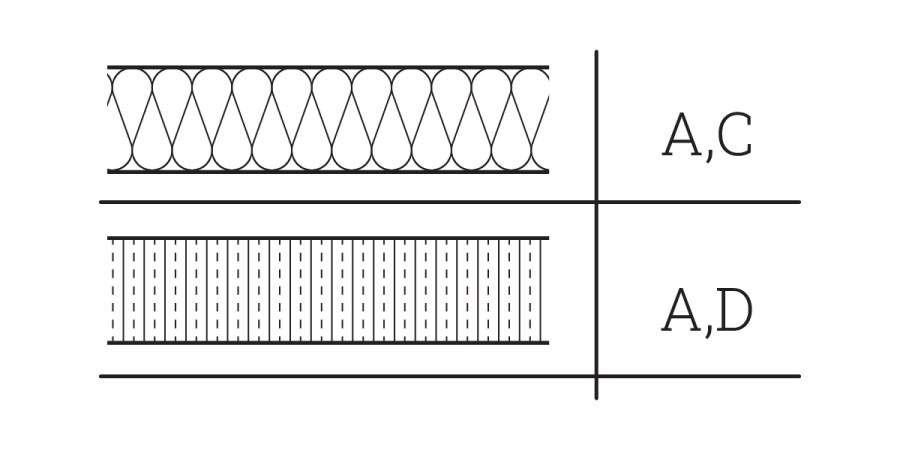
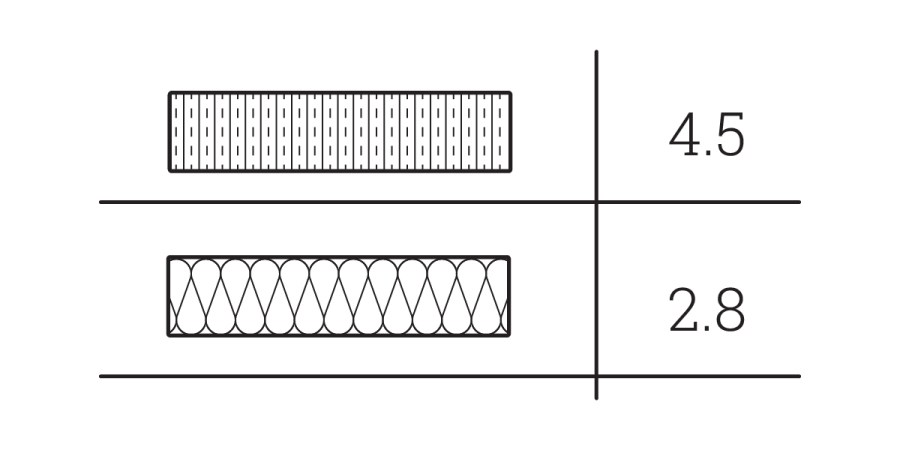
Two side-by-side rectangles, one above the other, separated by a horizontal line. The top rectangle, marked with vertical lines, is labeled 4.5 R-Value; the bottom, with a zigzag pattern, is labeled 2.8—great for an insulation diagram or R-Values chart.

This detailed chart outlines various thermal insulation types and their estimated R-values, crucial for precise space calculations in architectural design. Given the continuous advancements in insulation technology, it's vital to verify product specifications against design minimums on-site. This resource is regularly updated, and we welcome suggestions to ensure its accuracy and comprehensiveness for industry professionals.

Plaster & Wallboard

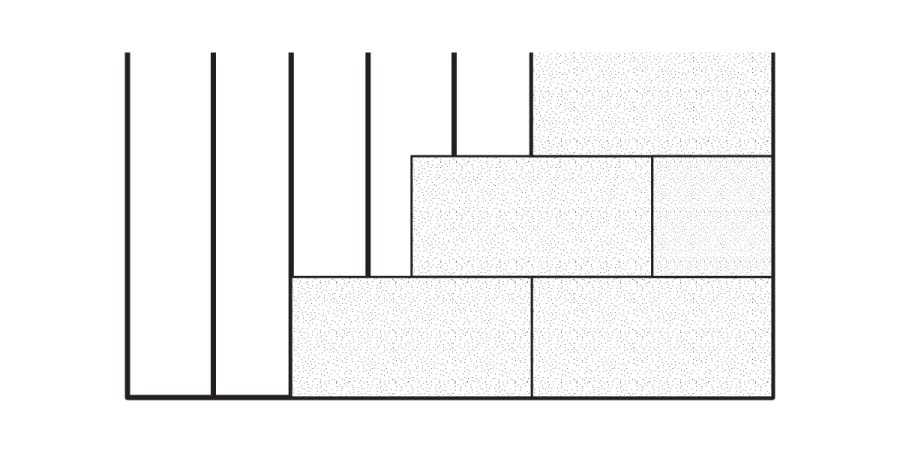
A diagram shows four vertical lines on the left and a staircase pattern of five shaded rectangles, resembling stacked wallboard, on the right. This creates two distinct sections in the image with the rectangles aligned to form steps.

Plaster, drywall, backerboard, and cement board are distinct products often confused due to their similar appearances and interior finishing applications. While many terms are interchangeable, each material offers specialized performance results and utilizes different technologies. Understanding these differences is crucial for architects and builders to select the appropriate solution for specific project requirements, from fire resistance and sound control to moisture protection in wet areas.

Hazardous Materials

Three black outline hazard symbols in diamond shapes—representing flammable, toxic, and caution—are shown on a white background, commonly used to label Hazardous Materials or Dangerous Goods.

Hazardous materials, ranging from lead-based paint to asbestos and radon, pose significant risks to human health and the environment. While architects are not hazardous material experts, a professional obligation exists to report concerns. Understanding the cost implications of healthy materials and remediation efforts is crucial, especially in renovation projects where hidden contaminants can lead to unexpected expenses and schedule impacts.

Flooring Types & Definitions

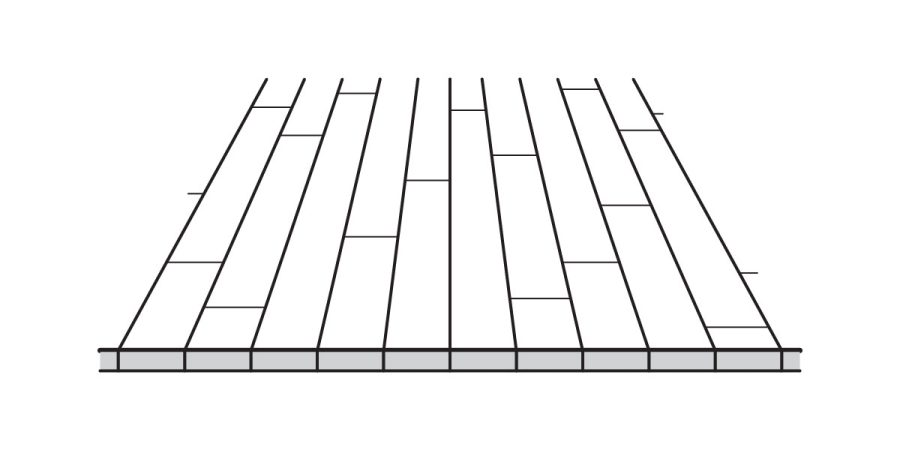
A diagram illustrating flooring types with a rectangular grid of long, narrow, staggered planks arranged horizontally like a wooden floor pattern, one edge shaded in gray—a helpful reference for flooring definitions.

Choosing the right flooring is crucial for any building project, impacting both aesthetics and long-term performance. This comprehensive guide explores various flooring types by material, from classic wood to modern vinyl and sustainable options like bamboo. We also delve into important definitions and considerations, including installation notes, grading standards, and specialized flooring for unique applications, ensuring you make informed decisions for your designs.

Oil Canning

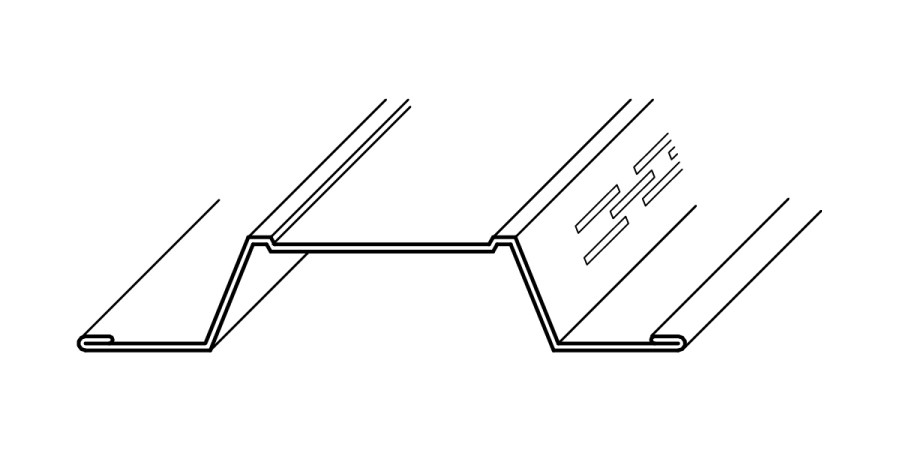
A series of seven evenly spaced, parallel black lines run diagonally from the upper left to the lower right on a white background with a faint, intricate pattern.

Oil canning, the visible waviness in thin-sheet metal, is a common cosmetic issue in architectural applications. While it doesn't compromise structural integrity, it can detract from a smooth aesthetic. This phenomenon arises from factors like thermal expansion, uneven loading, and manufacturing tolerances. Understanding its causes is crucial for prevention, with best practices including using thicker metals, matte finishes, and designing for proper thermal movement to ensure a pristine metal facade.

Hardwood & Softwood – Wood Types

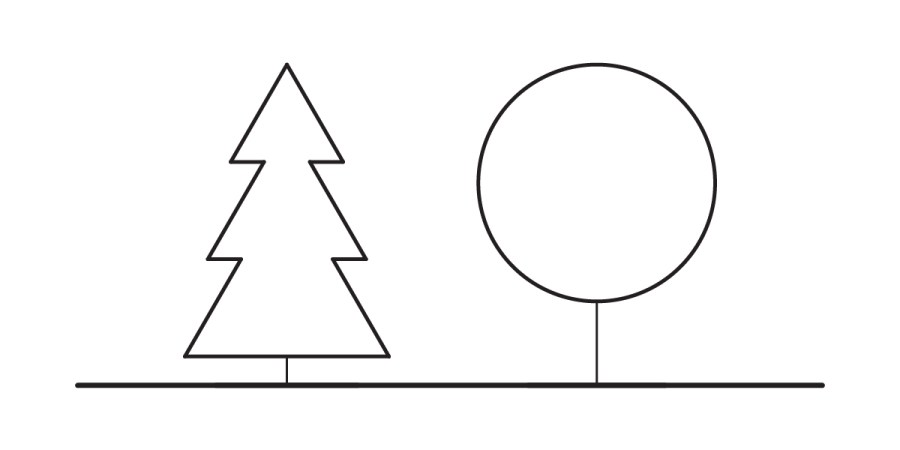
A simple line drawing of two trees on a horizontal line; the left tree, shaped like a triangle, suggests softwood, while the right tree’s circular form hints at hardwood or other wood types.

Explore the fundamental distinctions between hardwood and softwood, crucial for architectural projects. This guide delves into definitions of wood, lumber, and timber, clarifying their uses in rough and finish carpentry. Understand how properties, grading, and classifications influence material selection, from structural applications to aesthetically driven finishes. Learn about common wood defects and their impact on strength and appearance.

Structural Insulated Panels (SIPS)

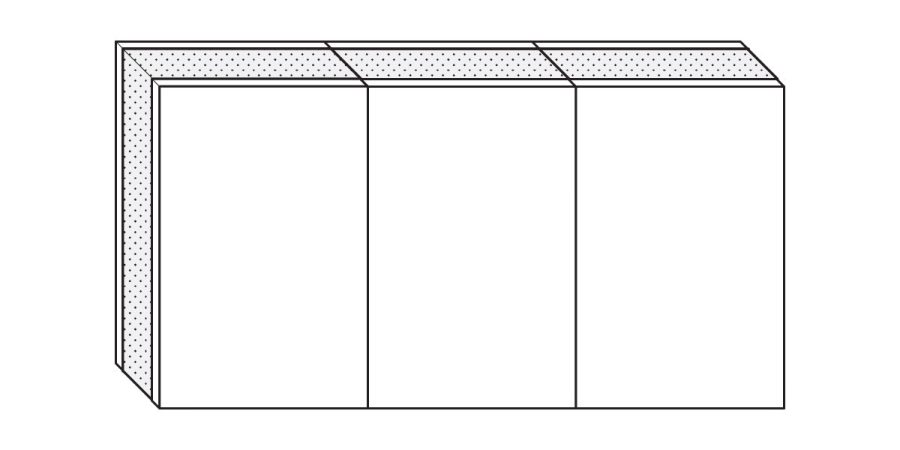
A simple line drawing of a rectangular three-panel cabinet with solid front doors and textured sides and top, viewed at an angle to show depth—design inspired by Structural Insulated Panels (SIPS) for enhanced durability.

Structural Insulated Panels (SIPs) offer a highly efficient and robust alternative to traditional construction. These composite units, typically featuring OSB skins and an EPS core, are factory-manufactured for precision and faster on-site assembly. Key advantages include reduced construction time, superior insulation with minimal thermal bridging, and enhanced structural integrity, making them a sustainable choice for modern architecture.

Concrete Formwork

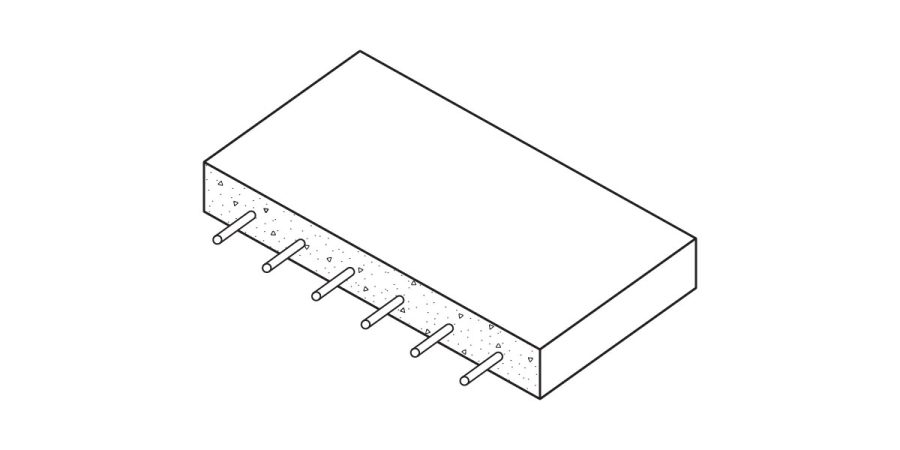
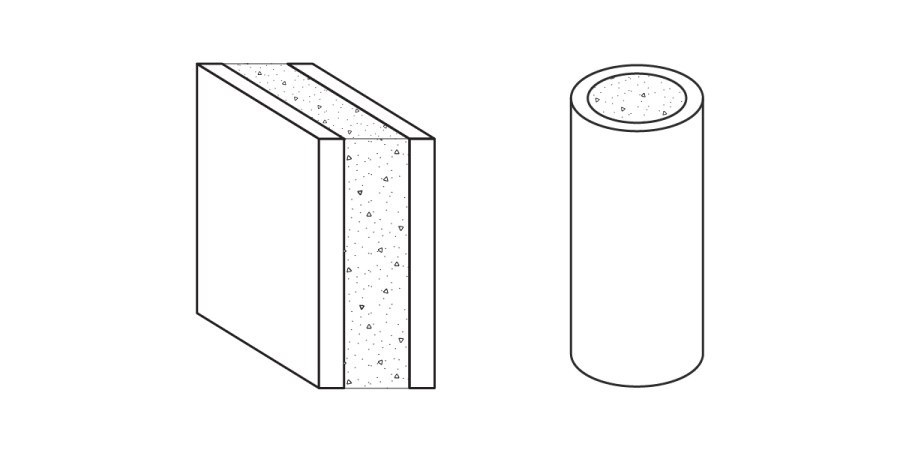
A black and white diagram shows a rectangular block with a textured inner layer and a smooth outer layer, illustrating concrete formwork, next to a solid cylinder with a small circular area visible at the top.

Formwork is essential for concrete construction, creating the temporary molds that shape wet concrete. While 3/4" plywood is standard, materials like steel and specialized coatings enhance reusability and durability. Key considerations include the formwork's strength to withstand immense concrete pressure and its constructability for easy assembly and removal. Modern advancements offer innovative solutions, such as insulated concrete forms (ICFs) that provide both structure and insulation, and specialized techniques like slip forming and flying forms that optimize efficiency for repetitive structures.

Carpet Flooring

A black and white line drawing of a rolled-up rug or carpet with fringe on one end, partially unrolled on a flat surface—perfect for illustrating carpet flooring or professional flooring solutions.

Beyond aesthetics, carpets are a versatile and practical flooring choice, offering acoustic benefits, ease of maintenance, and diverse design possibilities. Understanding the various materials—from durable wool and nylon to resilient polypropylene—along with manufacturing styles like tufting and weaving, is key to specifying the right carpet. Additionally, considering carpet padding types and installation methods ensures optimal performance and longevity for any architectural project.

Glazing Assemblies

Three closed books are standing upright in a row. The book on the left features a flame icon on its cover, while the other two resemble glass assemblies with plain covers and no additional markings.

Glass and glazing assemblies are critical components in architectural design, encompassing a range of definitions from glazier points and glazing tape to structural gaskets and frameless systems. Installation methods vary by manufacturer, with innovative solutions like spider systems offering unique aesthetic and structural possibilities. Building codes impose strict stipulations on glazing types and their applications, particularly concerning fire resistance and safety in areas prone to human impact, ensuring both structural integrity and occupant safety.

Concrete Overview

A seamless white background with a repeating pattern of small, randomly oriented black triangle outlines and scattered black dots offers a concrete overview of minimalist design.

Concrete is an incredibly versatile material, adaptable for structural and non-structural uses. From Joseph Aspdin's early Portland Cement to modern innovations, concrete's evolution has been remarkable. Understanding its basic components—cement, aggregates, and water—and how their proportions impact strength and workability is crucial for architects. This overview delves into concrete's history, materials, design considerations, and various types, offering a comprehensive guide for professionals.

Glass & Glazing Types

Three stacks of rectangular sheets illustrate various glass types: one sheet in the first stack, three in the second, and five in the third. Each sheet features two angled lines to suggest a reflective surface.

Understanding the diverse world of glass and glazing is crucial for architectural professionals. This comprehensive guide delves into various glass types, from the widely used float glass to specialized options like tempered, laminated, and low-emissivity glass. Explore definitions of key terms such as energy-efficient glazing and safety glass, and gain insights into how these materials contribute to building performance, aesthetics, and occupant comfort.

Road Paving Materials

A simple black outline drawing of a car side profile, showing one wheel on a shaded surface representing the ground, subtly hinting at road paving materials beneath.

When designing durable infrastructure, the choice of road paving material is critical. From concrete's longevity for heavy loads and bridges, to asphaltic concrete's versatility, and even specialized pervious options for water management, understanding each material's properties is essential. This guide outlines common paving materials, their construction methods, and ideal applications, offering insights for architects and designers to inform their project specifications.

Roofing Types & Info

A black and white line drawing of overlapping arches arranged in two horizontal rows, creating a repeating geometric pattern against a white background.

Understanding diverse roofing systems is crucial for architectural success. From traditional shingles and durable tiles to advanced membrane options and metal solutions, each type offers unique advantages in terms of material, installation, and performance. This comprehensive guide delves into various roof types, highlighting key considerations like slope, ponding prevention, material properties, and essential accessory components, ensuring informed decisions for lasting structural integrity.