Back in beta! Stay tuned.

fire

Fire Protection & Life Safety
A simplified graphic shows a person running away from a fire icon toward a map marker at the end of a winding path, highlighting the importance of Life Safety in Fire Protection planning.

Architects bear the critical responsibility of designing safe buildings, adhering to stringent fire and life safety precautions. From fundamental smoke detectors in residential structures to intricate suppression systems in high-rises, these measures are vital. Building codes serve as minimum standards, guiding architects to ensure designs meet regulatory expectations for human life, property protection, and post-fire restoration. This commitment to safety is a core tenet of competent architectural practice.
Fire Sprinklers

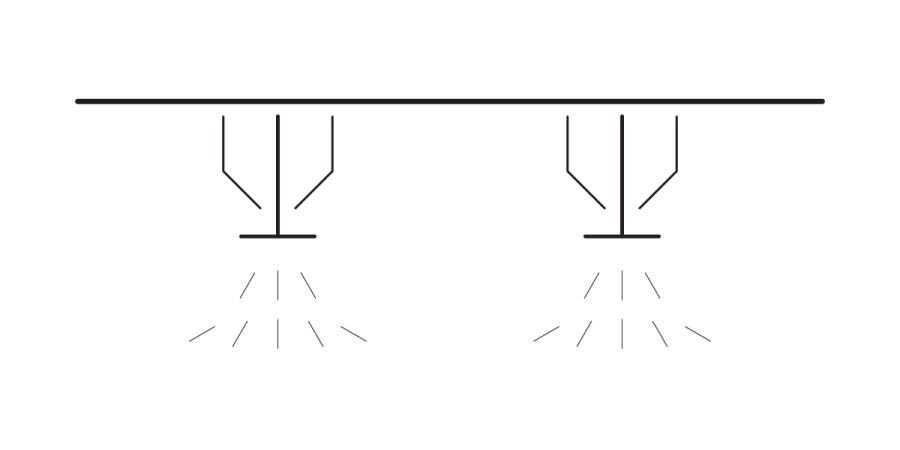
A simple black and white line drawing shows two ceiling-mounted fire sprinklers releasing water downward, depicted by angled lines spreading from each fire sprinkler head.

Understanding fire sprinkler systems is crucial for architectural professionals. This guide details different sprinkler types—wet, dry, pre-action, and deluge—along with various sprinkler heads like upright, sidewall, and pendant. It also covers the benefits, such as reduced insurance premiums and code trade-offs, and how NFPA classifications determine system requirements, providing essential knowledge for designing safer buildings.

Fire Alarms & Notifications

A simple line drawing of a fire alarm bell on the left and a flame icon on the right, both depicted in black outlines on a white background, representing Fire Alarm Notifications.

Understanding fire alarm and detection systems is crucial for building safety and code compliance. From early-warning ionization detectors to final-stage flame sensors, a combination of technologies is often needed to ensure quick response and effective containment. Municipalities offer incentives for enhanced fire protection, highlighting the importance of strategically located detectors and robust notification systems that pressurize egress routes to direct smoke, ensuring occupant safety.