Back in beta! Stay tuned.

programming

Programming & Space Needs
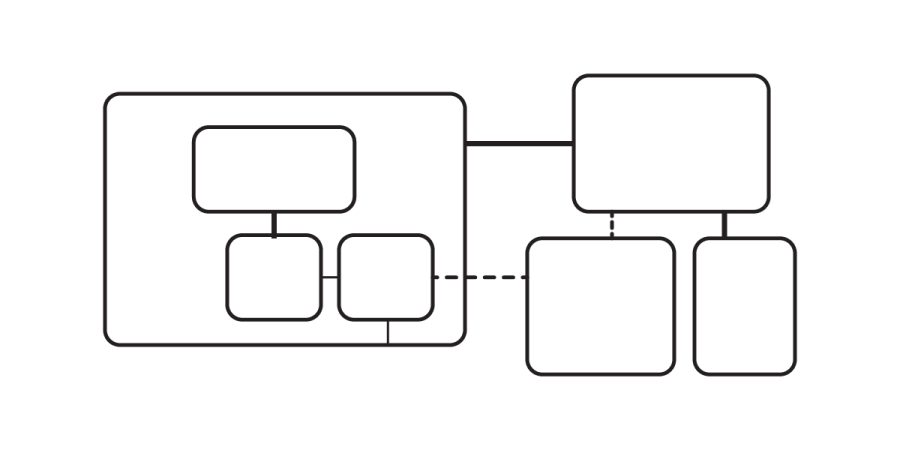
A simple black-and-white flowchart with six rectangular boxes, some connected by solid lines and others by dashed lines, illustrates programming processes, with one group of boxes enclosed in a larger rectangle.

Architectural programming is a critical early-stage process for identifying and organizing all project criteria—functional, aesthetic, structural, and budgetary—to guide design decisions. Effective programming, which focuses on problem identification rather than premature design, involves thorough documentation, client reviews, and research into typologies and similar facilities. This meticulous approach ensures a comprehensive understanding of project requirements, leading to more responsive buildings and minimizing costly changes during later design and construction phases.
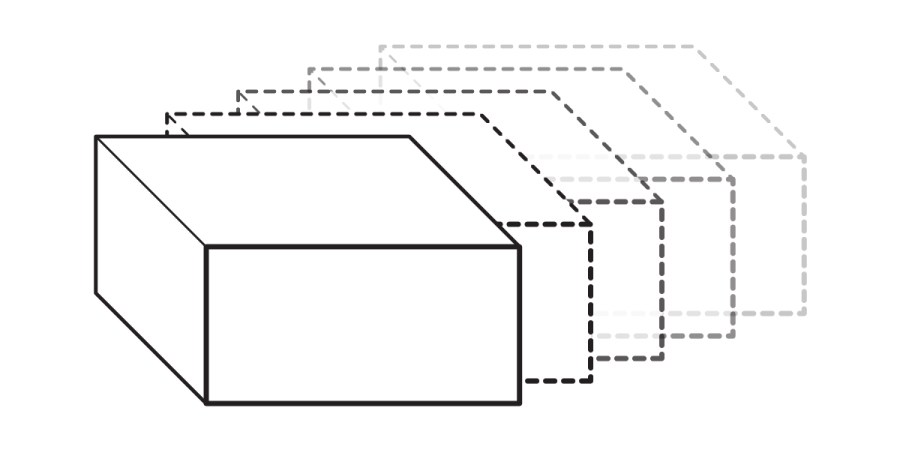
Building Design Prototypes & Considerations

A large rectangular box in the foreground, with four smaller, progressively lighter dashed-outline boxes stacked behind it, appearing to recede into the distance—evoking the concept of design prototypes in building design.

Effective building design centers on human function, beginning with individual needs, then spatial relationships, and finally overall building dimensions. This 'programming' process is crucial for various building types, from the fundamental complexities of housing—balancing diverse functions and quiet zones—to hotels, where guest comfort and efficient service areas must be meticulously separated for profitability and experience. Understanding these foundational principles ensures the creation of long-lasting, successful architectural projects.