
Back in beta! Stay tuned.

space

Programming & Space Needs
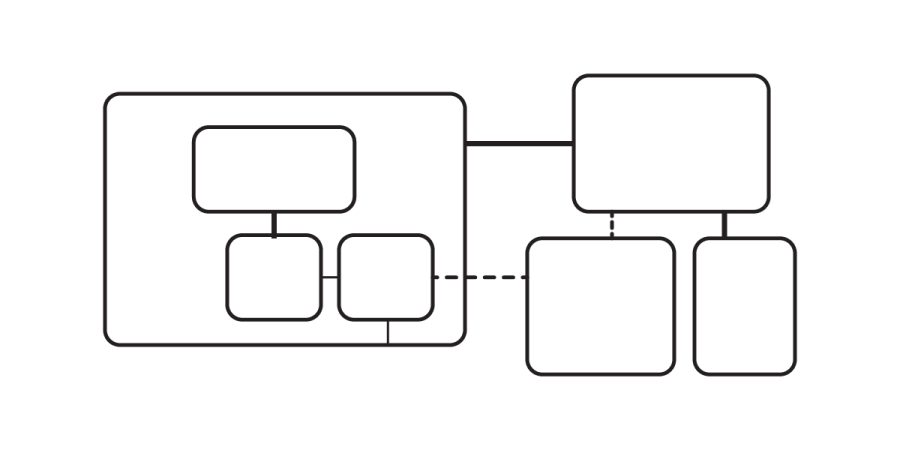
A simple black-and-white flowchart with six rectangular boxes, some connected by solid lines and others by dashed lines, illustrates programming processes, with one group of boxes enclosed in a larger rectangle.

Architectural programming is a critical early-stage process for identifying and organizing all project criteria—functional, aesthetic, structural, and budgetary—to guide design decisions. Effective programming, which focuses on problem identification rather than premature design, involves thorough documentation, client reviews, and research into typologies and similar facilities. This meticulous approach ensures a comprehensive understanding of project requirements, leading to more responsive buildings and minimizing costly changes during later design and construction phases.
Defensible Space

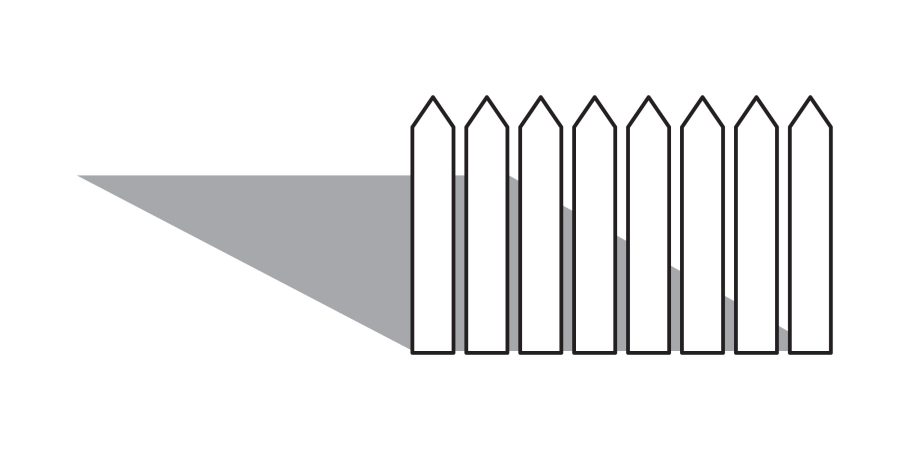
A vertical row of eight picket fence posts with pointed tops casts a solid, triangular shadow to the left on a white background, evoking concepts of defensible space in areas of high population density.

Oscar Newman's 1970s concept of Defensible Space emphasizes architectural design that empowers residents to control their surroundings, fostering a sense of ownership and promoting community safety. This principle suggests that spaces designed with clear territorial markers encourage neighbors to look out for one another, reducing reliance on external intervention. Modifications like gated streets and stricter code enforcement can further enhance this resident-driven security, leading to environments people actively maintain and protect.