
Back in beta! Stay tuned.

zoning

Land Zoning & Variances
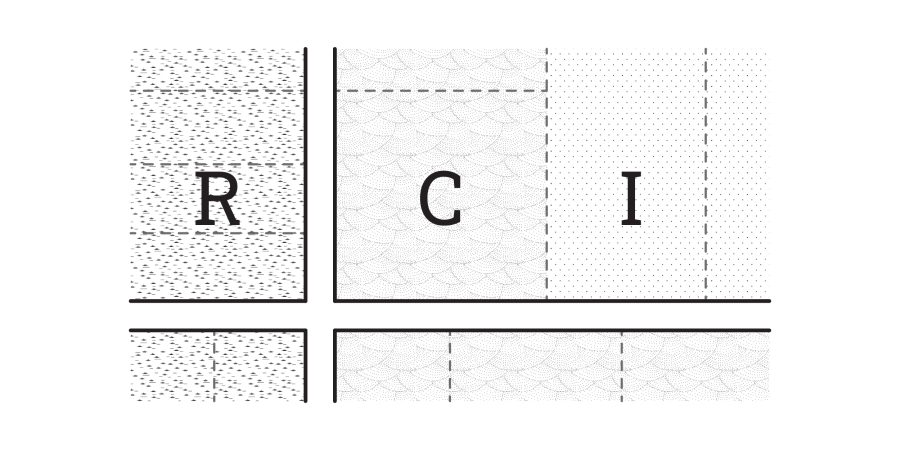
A grid with thick black lines divides patterned sections, evoking land zoning maps. Three large black letters, R, C, and I, each centered in different sections with distinct textures and dashed or dotted lines.

Zoning ordinances are fundamental to land use, evolving from simply deterring poor development to actively promoting good design. They dictate building types, sizes, and density, while incorporating incentives for sustainability and affordable housing. Key concepts like FAR, setbacks, and various building development ordinances ensure responsible urban planning, balancing public welfare with property rights. Understanding these regulations is crucial for any architectural professional.
Floor Area Ratio (FAR)

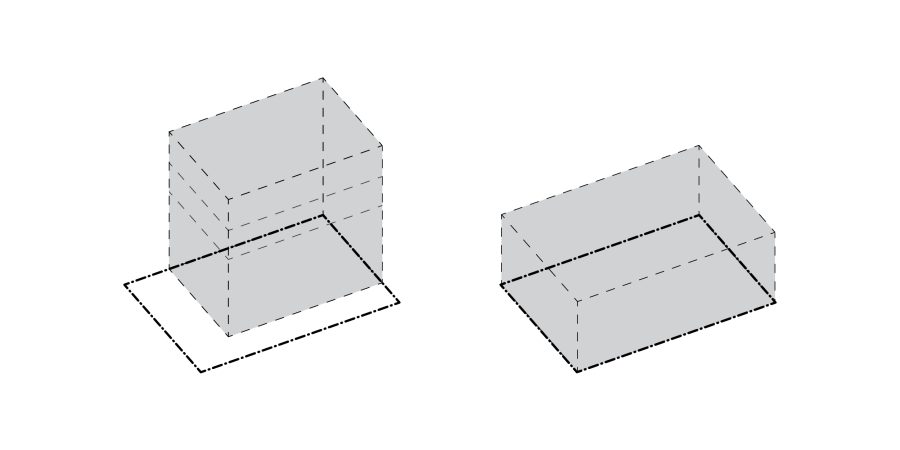
Two transparent rectangular prisms with dashed outlines are shown, illustrating concepts like Floor Area Ratio (FAR). The upright left prism has its base slightly offset to the lower left, while the right one lies flat with its base offset to the lower front.

The Floor Area Ratio (FAR) is a fundamental regulatory tool in architecture, dictating a building's overall size by defining the ratio of its total buildable floor area to its zoning lot. Different zoning areas have specific FAR rules, establishing maximum buildable areas. While FAR sets the upper limit, various factors often lead to designs below this maximum. Understanding FAR is crucial for maximizing building potential, especially in mixed-use developments and when considering potential FAR bonuses.

Easement, Rights, and Eminent Domain

A diagram showing two simple house icons on either side of dashed lines forming an L-shaped shaded area, illustrating property boundaries, rights, or potential easement zones.

Understanding land use regulations is crucial in architecture. This resource clarifies easements, which grant specific usage rights without ownership, from utility and scenic easements to party walls and rights-of-way. It also delves into various property rights, including subsurface, air, solar, riparian, and littoral rights, alongside the government's power of eminent domain and the legal process of condemnation, providing essential knowledge for professionals.