
Resilient Channels & Sound Clips
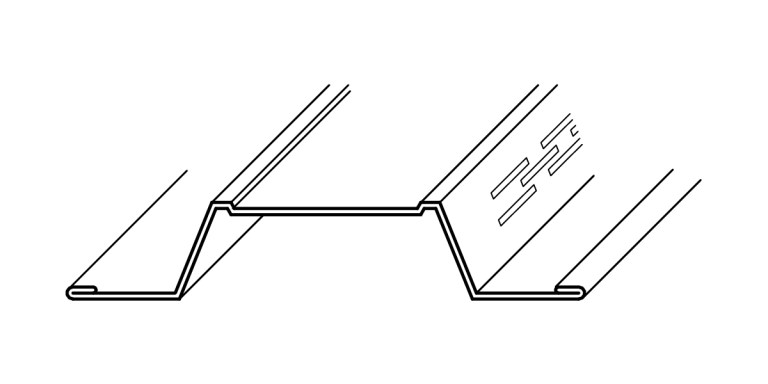
Resilient Channels (RC) increase acoustical performance in ceiling and wall assemblies. Learn how they work and the history behind them.

Resilient Channels (RC) increase acoustical performance in ceiling and wall assemblies. Learn how they work and the history behind them.
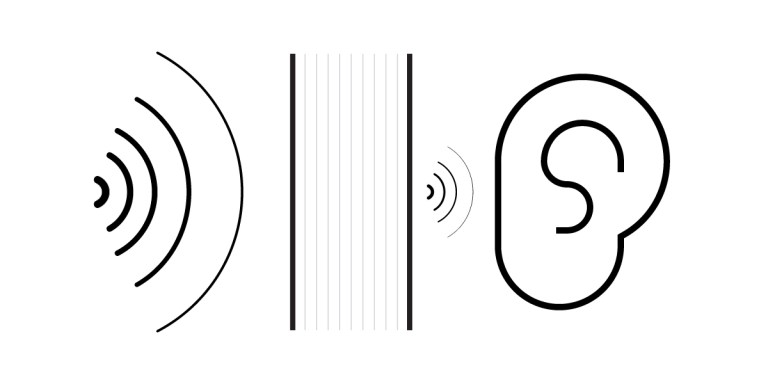
Sound Transmission Class (STC) and Impact Isolation Class (IIC) are crucial metrics in architectural design, quantifying a barrier's ability to reduce airborne and impact noise, respectively. Understanding these values is essential for creating acoustically sensitive environments, from music venues to multi-family residences. This guide explores the nuances of STC and IIC, offering best practices for controlling sound transmission and impact isolation to enhance user experience and meet code requirements.

Daisugi, a centuries-old Japanese forestry technique yielding high-quality, knot-free lumber from a single tree without felling it entirely. Developed in the 14th century for Sukiya-zukuri architecture, this sustainable method produces incredibly straight and strong wood, ideal for precise structural elements. Learn how this visually stunning practice continues to offer efficient and eco-friendly solutions for modern design.

Understanding the nuances of finish carpentry and architectural woodwork is crucial for precise design and specification. This guide delves into key definitions, differentiating between site-built and factory-fabricated wood components. It also explores wood species grading, distinguishing between heartwood and sapwood, and introduces finger-jointed lumber. Additionally, we examine how various sawing methods influence grain patterns and material availability, providing essential insights for architects and designers.

"Doors to Nowhere" delves into the intriguing world of seemingly non-functional architectural elements. From historical preservation to ingenious utility concealment, these doors exist for diverse reasons beyond simple access. Explore how aesthetic charm, structural practicality in older buildings, and even theatrical needs contribute to their presence, offering insights into their often-overlooked significance in design and construction.

Sound intensity, measured in decibels, and subjective loudness are crucial in architectural design. While 0 dB signifies no sound and 130-140 dB marks the pain threshold, factors like distance, listener age, and sound sources make sound perception highly variable. Understanding this logarithmic nature is key; simply adding sound values doesn't work. This nuanced approach ensures effective acoustic planning, balancing perceived change with implementation costs for optimal built environments.
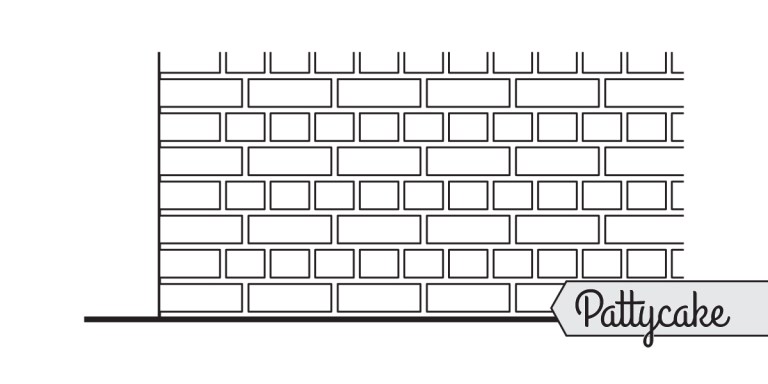
For too long, CAD professionals have grappled with inefficient methods for repetitive elements. This case study rigorously compares traditional lines and blocks against the power of PAT files for creating architectural elevations. Discover how PAT files dramatically reduce file size and drawing time, offering unparalleled speed and flexibility for design changes. Our findings provide concrete evidence for optimizing your workflow, demonstrating significant time savings that directly impact project efficiency.

Oil canning, the visible waviness in thin-sheet metal, is a common cosmetic issue in architectural applications. While it doesn't compromise structural integrity, it can detract from a smooth aesthetic. This phenomenon arises from factors like thermal expansion, uneven loading, and manufacturing tolerances. Understanding its causes is crucial for prevention, with best practices including using thicker metals, matte finishes, and designing for proper thermal movement to ensure a pristine metal facade.

Explore the fundamental distinctions between hardwood and softwood, crucial for architectural projects. This guide delves into definitions of wood, lumber, and timber, clarifying their uses in rough and finish carpentry. Understand how properties, grading, and classifications influence material selection, from structural applications to aesthetically driven finishes. Learn about common wood defects and their impact on strength and appearance.
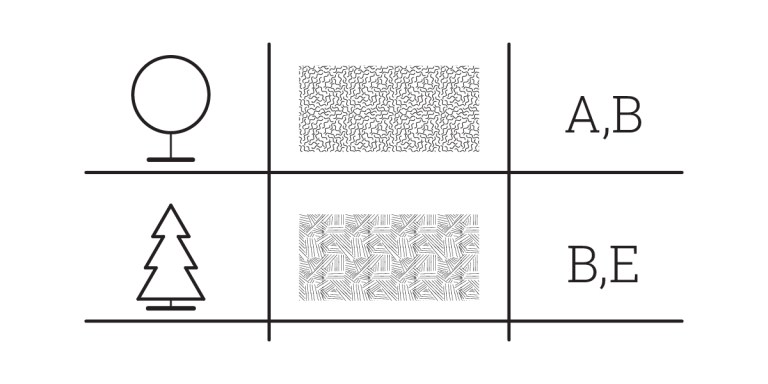
Understanding wood characteristics is crucial for architectural design. This comprehensive chart details various hardwoods and softwoods, outlining their scientific names, common variations, and key properties. From the durable strength of Oak for flooring to the aromatic decay resistance of Cedar for outdoor applications, this guide helps professionals select the ideal wood type for specific structural and aesthetic requirements, acknowledging that properties can vary based on species and processing.