Back in beta! Stay tuned.
admin

admin

Energy Recovery & Conservation Strategies

A simple black outline of a light bulb inside a circular arrow loop, symbolizing ideas, innovation, energy recovery, or continuous improvement. The background is white.

Optimizing HVAC system efficiency is crucial for reducing building energy consumption, which typically accounts for 40-60% of a building's overall energy use. This comprehensive guide explores various energy recovery and conservation strategies, including advanced mechanical systems, heat transfer methods, and building automation systems. Discover how innovative approaches like dual-condenser cooling, absorptive cooling, and variable refrigerant flow systems can significantly enhance sustainability and cost-effectiveness in building design and operation.
Making a PAT file from a Picture

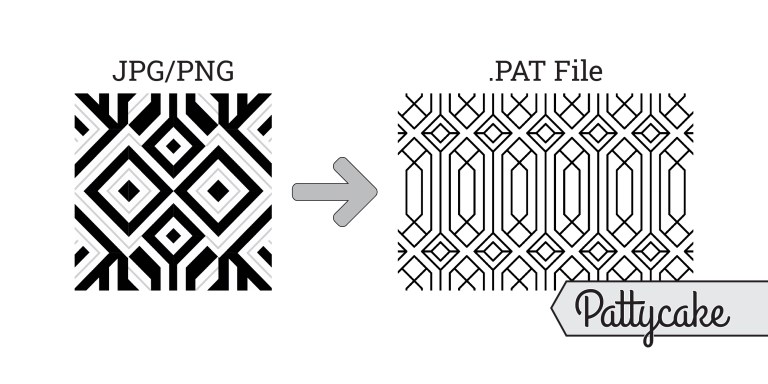
A bold geometric black-and-white pattern Picture labeled JPG/PNG is shown on the left, with an arrow pointing to a similar, thinner-lined design labeled PAT file on the right. “Pattycake” appears in a tag at the bottom right.

Crafting PAT files from images for architectural documentation can be a nuanced process. This guide explores leveraging Pattycake and Revit, focusing on Pattycake's Drawing Canvas for pattern representation. It delves into critical aspects like module size, simplifying with the Least Common Multiple to avoid import issues, and understanding PAT file limitations for precision. Learn to optimize your workflow for professional architectural applications.

How To Document a Custom Railing Pattern

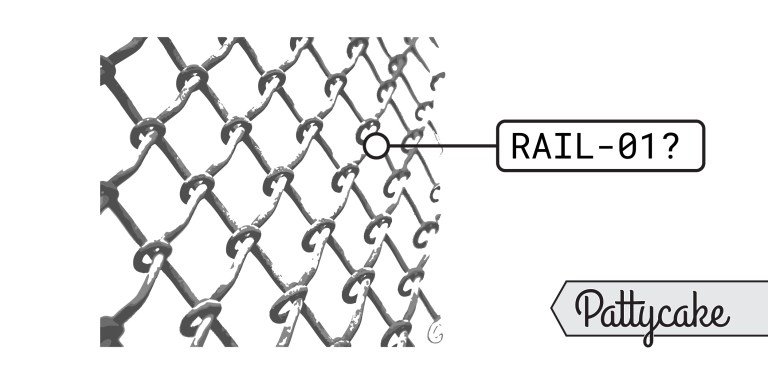
A close-up of a chain-link fence is shown. One link is highlighted with a label reading RAIL-01? and the word Pattycake appears in stylized text at the bottom right corner, referencing custom railing pattern documentation.

Custom patterns are increasingly integrated into architectural components, driven by advancements in laser cutting and CNC machinery. This guide focuses not on design, but on the crucial process of documenting these unique patterns effectively. Understanding the end goal—representation rather than literal modeling—is key. The article emphasizes using PAT files and detailed callouts, along with layout diagrams and renderings, to ensure precise communication of design intent to manufacturers and contractors, ultimately streamlining project delivery.

Fire Protection & Life Safety

A simplified graphic shows a person running away from a fire icon toward a map marker at the end of a winding path, highlighting the importance of Life Safety in Fire Protection planning.

Architects bear the critical responsibility of designing safe buildings, adhering to stringent fire and life safety precautions. From fundamental smoke detectors in residential structures to intricate suppression systems in high-rises, these measures are vital. Building codes serve as minimum standards, guiding architects to ensure designs meet regulatory expectations for human life, property protection, and post-fire restoration. This commitment to safety is a core tenet of competent architectural practice.

Floor Area Ratio (FAR)

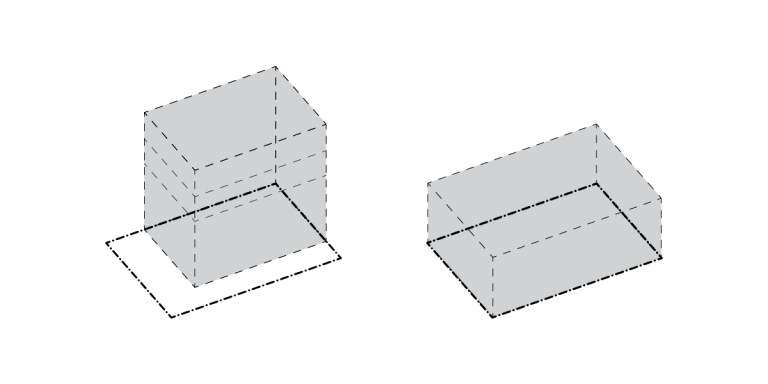
Two transparent rectangular prisms with dashed outlines are shown, illustrating concepts like Floor Area Ratio (FAR). The upright left prism has its base slightly offset to the lower left, while the right one lies flat with its base offset to the lower front.

The Floor Area Ratio (FAR) is a fundamental regulatory tool in architecture, dictating a building's overall size by defining the ratio of its total buildable floor area to its zoning lot. Different zoning areas have specific FAR rules, establishing maximum buildable areas. While FAR sets the upper limit, various factors often lead to designs below this maximum. Understanding FAR is crucial for maximizing building potential, especially in mixed-use developments and when considering potential FAR bonuses.

Fuel & Energy Sources

A simple black and white line drawing of a fuel pump with a hose, next to a gauge with a needle pointing to the right, symbolizing fuel as one of the key energy sources.

Achieving Net Zero buildings remains a challenge, necessitating supplemental energy. Fuel source selection hinges on availability, efficiency, and cost, with options like natural gas, propane, oil, electricity, and steam each presenting distinct advantages and considerations. Understanding how these fuels convert to useful energy, and the equipment like furnaces, boilers, and heat pumps that facilitate this, is crucial for optimizing building performance and sustainability.

Barrier & Rainscreen Facade Systems

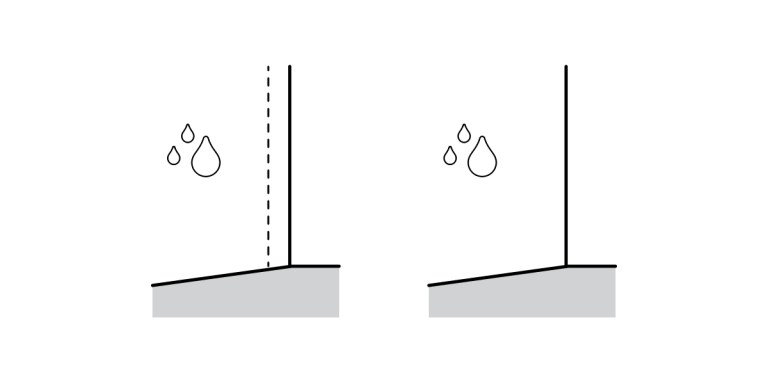
Two diagrams illustrate a water droplet near a sloped surface touching a vertical wall; the left highlights a contact point, common in Barrier Façade Systems, while the right, with no dashed line, is often seen in Rainscreen Façade Systems.

Understanding exterior wall assemblies is crucial in preventing water infiltration. Historically, the barrier concept aimed for a completely sealed exterior, which inevitably led to failures over time due to material breakdown and external elements. The modern rainscreen system, however, acknowledges that some water penetration is unavoidable. It incorporates an air space and watertight membrane, providing superior, long-term protection and reliability.

Occupancy Groups

Three black line icons: a group of people, a connected group with a line above, and two people with a plus sign—ideal for illustrating building classification or Occupancy Groups in fire safety contexts. All icons are on a white background.

Understanding Occupancy Groups is fundamental to compliant and safe building design. These classifications, defined by building code, dictate various critical aspects such as maximum area, height, egress, and fire protection requirements. Proper classification ensures equivalent safety across diverse uses, from factories to hospitals, and is crucial for navigating mixed-use occupancies, accessory spaces, and incidental uses within a structure.

Light Switches

Three light switch styles: a traditional toggle on the left, a rocker switch in the center, and a double push button switch on the right, each set against a plain white background.

Light switches, once simple on/off mechanisms, have evolved significantly. Modern innovations include Wi-Fi and Bluetooth capabilities, offering advanced automatic functions. Beyond basic toggle switches, options like dimmers, occupant sensors, and timer controls enhance energy efficiency and ambiance. Understanding these diverse styles and functions, along with code and energy considerations, is crucial for contemporary architectural design and building systems.

Concrete Testing

A simple black and white drawing shows a bathroom scale with a dial on the left and a textured rectangular weight on the right, both outlined against a white background, evoking tools used in concrete testing.

Discover the different finishing techniques for concrete to shape aesthetics and control the finish over time. From rough form to architectural finishes, explore how to achieve the desired look.