Back in beta! Stay tuned.
admin

admin

Critical Path Method (CPM)

A simple CPM graph with six nodes labeled 1, 2, 4, 5, 6, and 8. In this project management diagram, node 1 connects to 2; 2 connects to 4 and 5; 4 connects to 6; 5 connects to 8. Nodes 1, 2, 5, and 8 are bold.

The Critical Path Method (CPM) is a crucial project management tool, offering a detailed network diagram to define activity sequences, durations, and interdependencies. Unlike GANTT charts, CPM excels at identifying project bottlenecks and critical activities—those whose delay directly impacts project completion. Understanding CPM allows professionals to streamline schedules, optimize resource allocation, and efficiently manage complex architectural and construction projects.
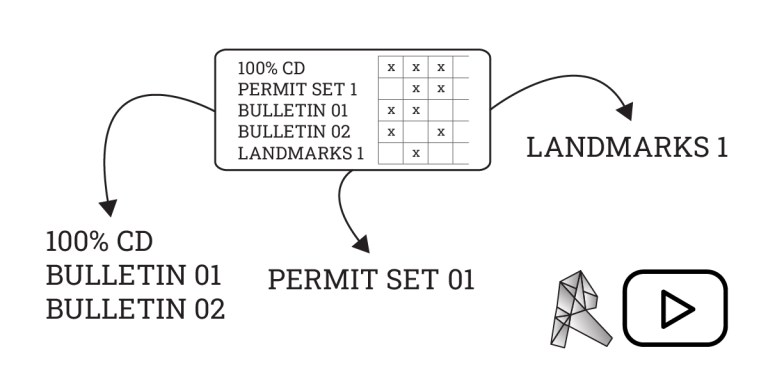
Glass Energy And Performance

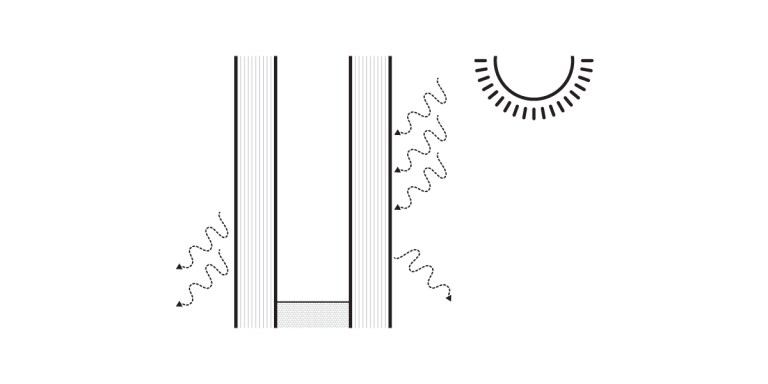
Diagram showing sunlight shining on a vertical tube, with wavy arrows indicating light and Glass Energy entering through the sides of the tube. The sun is depicted in the upper right corner.

Glass is a critical element in building design, offering benefits like natural light and views that positively impact well-being. However, it also presents challenges regarding heat loss and gain. Understanding energy measurements such as U-Value and Solar Heat Gain Coefficient (SHGC) is crucial for balancing efficiency with aesthetic considerations, ensuring optimal performance in different climates and reducing energy consumption.

Conformed Set

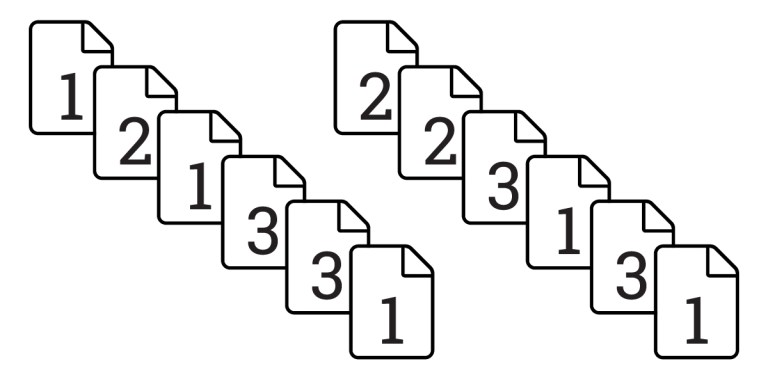
Nine document icons form two diagonal lines, each representing a Conformed Set. The first line shows documents labeled 1, 2, 3 three times, while the second line repeats 2, 3, 1 three times.

Understanding a "conformed set" is crucial for architects and design professionals. This artificial drawing set, never formally issued, compiles the latest updated sheets from various bulletins into one comprehensive document. Unlike simply printing from design software, a conformed set ensures all revisions are accurately represented, providing a clear, up-to-date snapshot of the project's progress without the risk of showing unvetted changes or incorrect revision bubbles.

Electrical Outlet; Which Orientation Is Correct?

A simple black line drawing of two different electrical outlet types side by side on a white background; each outlet shows three prong slots with distinct configurations, illustrating correct electrical outlet position.

The orientation of electrical outlets, specifically the three-prong ground, often sparks debate. While functionality remains unaffected whether the ground is up or down, historical patents, such as US2872654A, indicate the inventor's original intention for the grounding plug to be positioned on top. However, common practice frequently shows outlets installed with the ground at the bottom, a phenomenon potentially influenced by pareidolia and the visual appeal of a "smiley face" configuration.

Revit Area Totals and Rounding

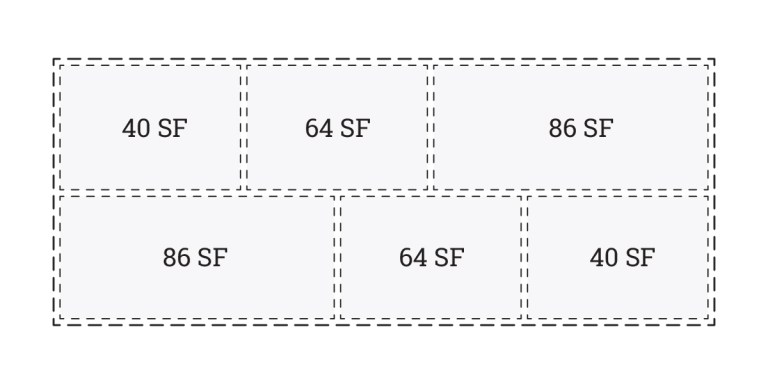
A Revit diagram with six labeled rectangles in two rows displays: 40 SF, 64 SF, and 86 SF above; 86 SF, 64 SF, and 40 SF below. Each rectangle is outlined with dashed lines to help visualize area totals and rounding.

Integrating AutoCAD and Revit within architectural workflows presents unique challenges and benefits. While not ideal for pure BIM, a mixed approach can leverage Revit's coordination and auto-naming while retaining existing CAD details, offering a strategic transition or a persistent hybrid solution. Careful planning is crucial to manage graphic consistency, avoid double work, and ensure a clear division of tasks between the two platforms.

Mixing AutoCAD with Revit

A Venn diagram with two overlapping circles; the left is labeled AutoCAD, the right is labeled Revit, and the overlapping section is shaded to represent mixing AutoCAD with Revit.

Integrating AutoCAD and Revit within architectural workflows presents unique challenges and benefits. While not ideal for pure BIM, a mixed approach can leverage Revit's coordination and auto-naming while retaining existing CAD details, offering a strategic transition or a persistent hybrid solution. Careful planning is crucial to manage graphic consistency, avoid double work, and ensure a clear division of tasks between the two platforms.

Housing Types

A simple black line drawing shows six connected house shapes in a row, each with a triangular roof and a rectangular door, illustrating different housing types in a continuous outline on a white background.

Urban planning hinges on housing, the most significant component of city design. Diverse housing typologies—from single-family homes to high-rise apartments—each present unique advantages and disadvantages for designers to consider. A successful urban environment thoughtfully integrates these various housing types with communal spaces and transportation methods to appeal to a broad demographic and foster a vibrant community.

Revit, Find Detail Group Locations Across a File, Without Dynamo

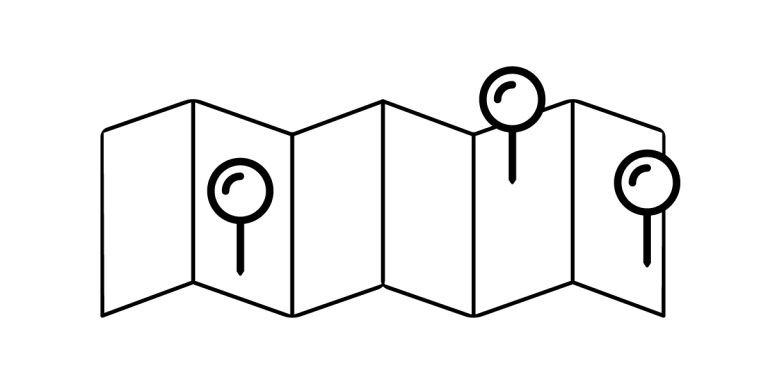
A simple black and white line drawing of a folded map with three location pins placed on different sections, symbolizing how to find detail group locations in Revit without Dynamo.

Discover a straightforward method to pinpoint detail group locations within Revit files without relying on Dynamo. This guide offers a quick approach to identify all instances of a detail group and their placements across various views and sheets. Learn how to export a comprehensive list, understand outputs for worksharing and non-workshared models, and troubleshoot common grouping errors, ensuring efficient management of your Revit projects.

Easement, Rights, and Eminent Domain

A diagram showing two simple house icons on either side of dashed lines forming an L-shaped shaded area, illustrating property boundaries, rights, or potential easement zones.

Understanding land use regulations is crucial in architecture. This resource clarifies easements, which grant specific usage rights without ownership, from utility and scenic easements to party walls and rights-of-way. It also delves into various property rights, including subsurface, air, solar, riparian, and littoral rights, alongside the government's power of eminent domain and the legal process of condemnation, providing essential knowledge for professionals.