Back in beta! Stay tuned.

codes

Construction Types & Allowable Area
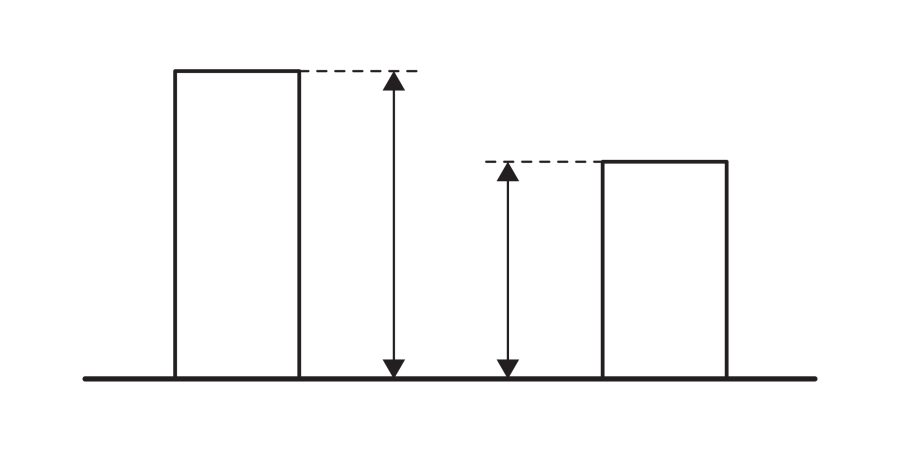
Two vertical bars of different heights, representing varying Construction Types, are shown side by side. Each bar has a dashed line from its top, with a double-headed arrow indicating the Allowable Area for each type.

Understanding a building's construction type and occupancy group is crucial for determining its allowable area and height, as outlined by the IBC. These classifications dictate fire resistance and structural integrity, ensuring safety during an emergency. Factors like fire zones, sprinkler systems, and building frontage also play a significant role in establishing the maximum permissible size, emphasizing the interconnectedness of safety regulations in architectural design.
Structural Loads on Buildings

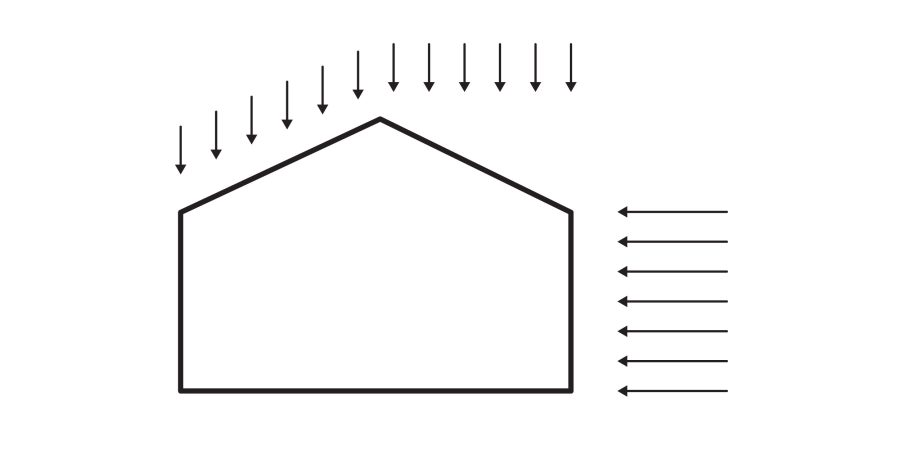
A simple outline of a house with arrows pointing downward above the roof and arrows to the right at the side, illustrating wind or airflow directions and the impact of building loads in structural engineering.

Understanding building loads is fundamental in architectural design and construction. These loads, derived from mathematical modeling and past experience, ensure safety and structural integrity. Building codes dictate minimum requirements for various loads, including static dead and live loads, as well as environmental factors like wind and snow. Designers must account for worst-case scenarios and concentrated loads, referencing code exceptions for potential reductions in loading.

Fire Protection & Life Safety

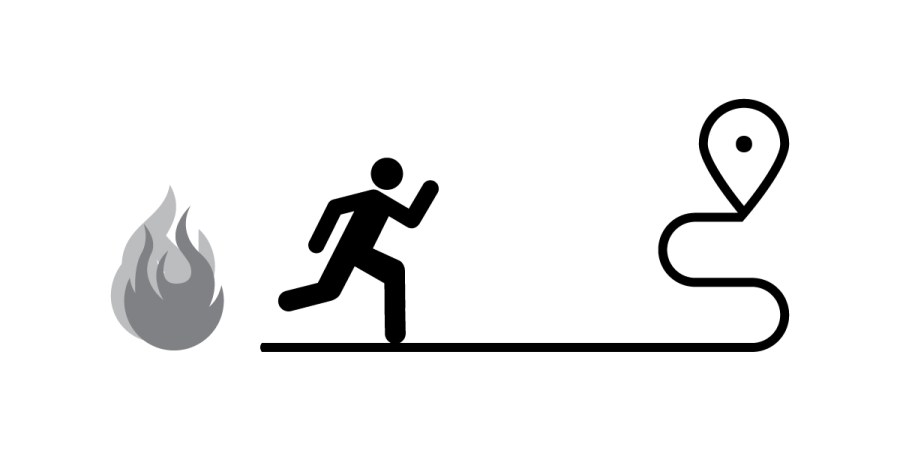
A simplified graphic shows a person running away from a fire icon toward a map marker at the end of a winding path, highlighting the importance of Life Safety in Fire Protection planning.

Architects bear the critical responsibility of designing safe buildings, adhering to stringent fire and life safety precautions. From fundamental smoke detectors in residential structures to intricate suppression systems in high-rises, these measures are vital. Building codes serve as minimum standards, guiding architects to ensure designs meet regulatory expectations for human life, property protection, and post-fire restoration. This commitment to safety is a core tenet of competent architectural practice.

Occupancy Groups

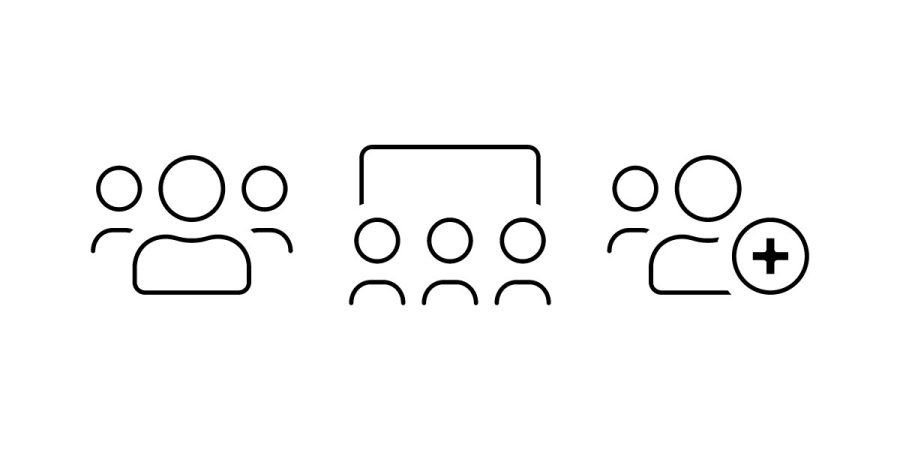
Three black line icons: a group of people, a connected group with a line above, and two people with a plus sign—ideal for illustrating building classification or Occupancy Groups in fire safety contexts. All icons are on a white background.

Understanding Occupancy Groups is fundamental to compliant and safe building design. These classifications, defined by building code, dictate various critical aspects such as maximum area, height, egress, and fire protection requirements. Proper classification ensures equivalent safety across diverse uses, from factories to hospitals, and is crucial for navigating mixed-use occupancies, accessory spaces, and incidental uses within a structure.