Back in beta! Stay tuned.

sustainability

Sustainable Product & Building Programs
A simple black outline of a trophy cup with a ribbon or award badge attached to its right side, symbolizing achievement in sustainable building programs, set against a plain white background.

The contemporary architecture and construction landscape is defined by a growing commitment to sustainability, necessitating a comprehensive understanding of third-party certifications. From whole-building standards like LEED and WELL to product-specific ratings such as Cradle to Cradle and Green Seal, these programs provide a crucial, non-mandatory framework for evaluating environmental design, material sourcing, and long-term performance. Architects must navigate this evolving list to ensure projects meet rigorous environmental and occupant-health benchmarks beyond local codes.
The Ahwahnee Principles

black and white line drawing showing a bear with conversation bubbles, symbolizing the discussions at the ahwahnee hotel

The Ahwahnee Principles, established in 1991, advocate for sustainable urban and suburban planning to combat pollution, car dependency, and loss of open space. These principles emphasize integrated communities with diverse housing, walkable access to amenities and transit, and a strong civic core. They also promote regional land-use integration, greenbelt protection, and resource conservation through thoughtful community design and updated planning practices. This framework remains crucial for architects and planners aiming for environmentally conscious development.

Materials Sustainability Overview

A black line drawing of a circular arrow on the left and a hand holding a sprouting plant on the right symbolizes materials sustainability, all set against a white background.

As architects increasingly balance cost, function, time, and aesthetics, sustainability has become a critical design aspect. Beyond mere marketing, a true understanding of sustainability must permeate all project decisions. Evaluating building materials involves quantifying embodied energy, prioritizing renewable and recycled content, considering local sourcing, assessing material toxicity, and ensuring durability, maintainability, and recyclability. These criteria guide the selection of materials like concrete, masonry, steel, wood, and plastics, each with unique advantages and disadvantages for sustainable construction.

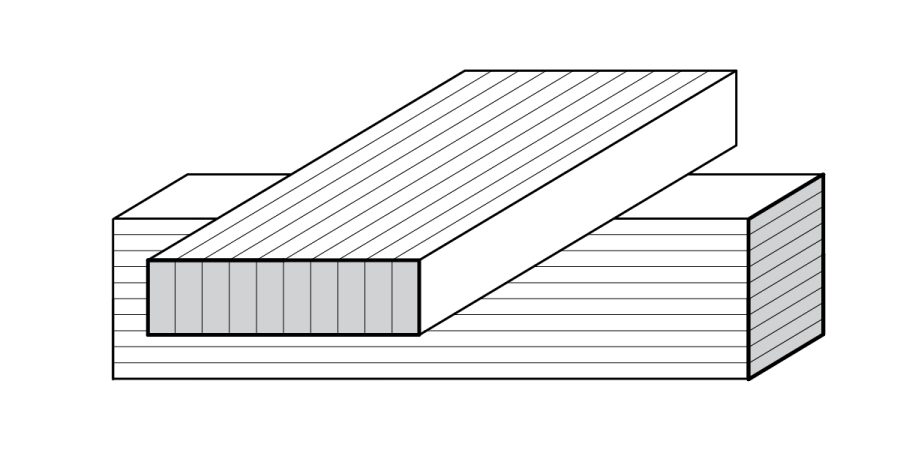
Mass Timber

Mass Timber (MT) has rapidly evolved from a niche product to a mainstream construction option, driven by exponential growth since 2010. This engineered wood system offers precise manufacturing with CNC technology, leading to tight tolerances and faster on-site construction. Beyond its efficiency, MT buildings boast impressive fire resistance through charring and significant carbon sequestration. Understanding its diverse panel and beam products, along with key considerations like MEP coordination and acoustics, is crucial for successful integration.

Dear Walmart; Don’t Forget to Turn Off the Lights (Case Study)

Two abstract flower-like shapes are shown side by side on a white background, reminiscent of lights. The left shape is filled in black, while the right has a black circular center and outlined petals. Both have six petals.

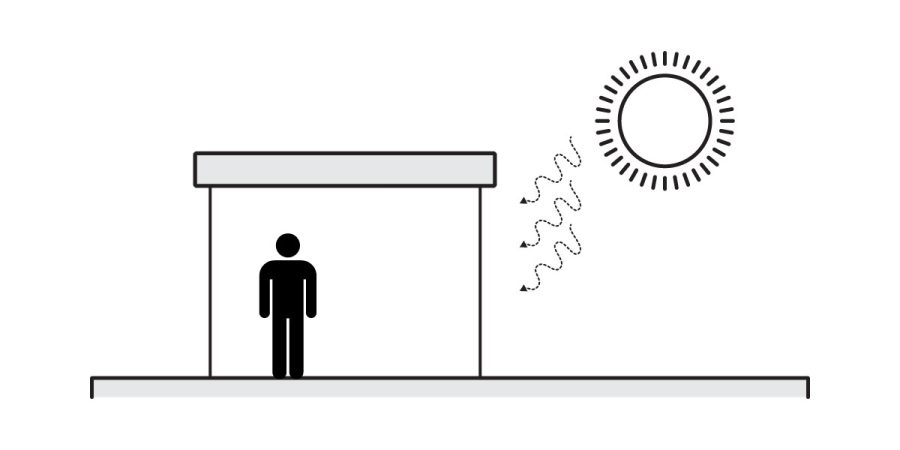
This theoretical exercise evaluates the significant value of building commissioning by examining energy and monetary savings at a local Walmart. Despite being a multi-billion dollar company, the persistent issue of parking lot lights remaining on during daylight hours highlights overlooked inefficiencies. While the direct financial cost is a mere "rounding error" for Walmart, the substantial energy waste—equivalent to the annual electricity use of over 4,200 homes—underscores a critical environmental concern for companies committed to sustainability.

LCA Life Cycle Assessment

A black outline of a globe surrounded by four curved arrows forming a circle, symbolizing Life Cycle Assessment (LCA), with the bold uppercase letters LCA to the right of the image, all set against a white background.

Understanding Life Cycle Assessment (LCA) is crucial for evaluating the environmental impact of building materials and products. Unlike Life Cycle Cost Assessment (LCCA), which focuses on economic costs, LCA considers everything from raw material extraction to disposal, including energy consumption and potential environmental effects like global warming. This comprehensive analysis, often part of LEED certification, compares a design against a base case to measure reductions in various environmental categories.

Energy Recovery & Conservation Strategies

A simple black outline of a light bulb inside a circular arrow loop, symbolizing ideas, innovation, energy recovery, or continuous improvement. The background is white.

Optimizing HVAC system efficiency is crucial for reducing building energy consumption, which typically accounts for 40-60% of a building's overall energy use. This comprehensive guide explores various energy recovery and conservation strategies, including advanced mechanical systems, heat transfer methods, and building automation systems. Discover how innovative approaches like dual-condenser cooling, absorptive cooling, and variable refrigerant flow systems can significantly enhance sustainability and cost-effectiveness in building design and operation.

Fuel & Energy Sources

A simple black and white line drawing of a fuel pump with a hose, next to a gauge with a needle pointing to the right, symbolizing fuel as one of the key energy sources.

Achieving Net Zero buildings remains a challenge, necessitating supplemental energy. Fuel source selection hinges on availability, efficiency, and cost, with options like natural gas, propane, oil, electricity, and steam each presenting distinct advantages and considerations. Understanding how these fuels convert to useful energy, and the equipment like furnaces, boilers, and heat pumps that facilitate this, is crucial for optimizing building performance and sustainability.