Back in beta! Stay tuned.

Technical

Green Roofs & Earth Sheltered
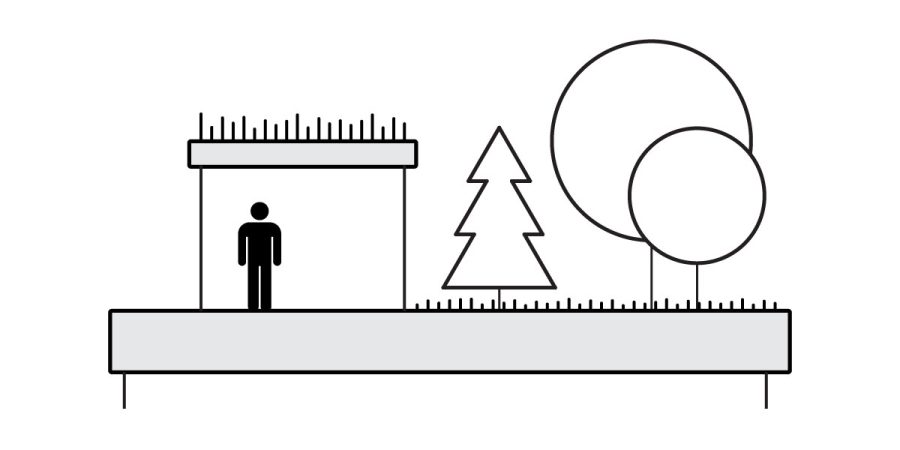
Earth sheltering is a construction method incorporating earth for thermal control, often involving partially buried homes. Benefits include temperature stability, soundproofing, and UV protection. Green roofs, designed for planting, offer ecological advantages and can improve aesthetics. There are extensive and intensive types, differing in soil depth and structural demands.
(STC) Sound Transmission & (IIC) Impact Isolation

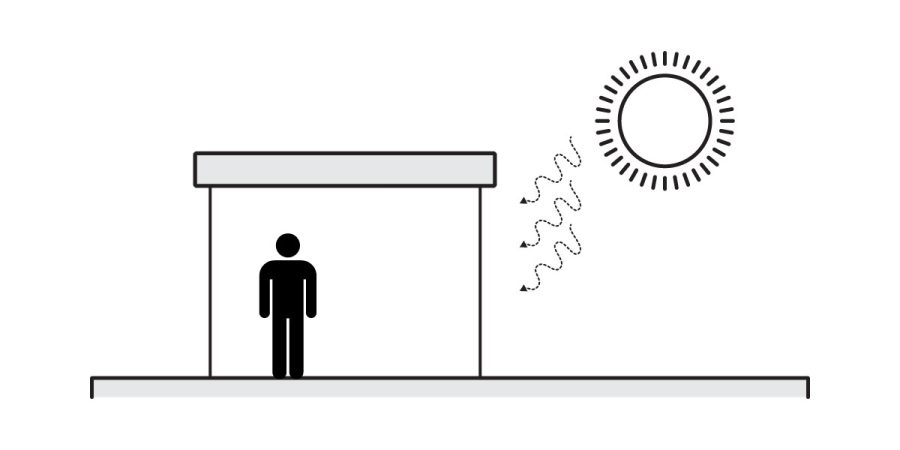
A diagram shows sound waves traveling toward a vertical barrier, with reduced size as they pass through—illustrating Sound Transmission Class (STC)—and finally reaching an ear on the right side of the image.

Sound Transmission Class (STC) and Impact Isolation Class (IIC) are crucial metrics in architectural design, quantifying a barrier's ability to reduce airborne and impact noise, respectively. Understanding these values is essential for creating acoustically sensitive environments, from music venues to multi-family residences. This guide explores the nuances of STC and IIC, offering best practices for controlling sound transmission and impact isolation to enhance user experience and meet code requirements.

Finish Wood & Carpentry

A black and white diagram of a tree trunk cross-section, often referenced in carpentry, shows annual growth rings and rough outer bark, with two arrows pointing to specific rings and bark layers—key details for understanding finish wood selection.

Understanding the nuances of finish carpentry and architectural woodwork is crucial for precise design and specification. This guide delves into key definitions, differentiating between site-built and factory-fabricated wood components. It also explores wood species grading, distinguishing between heartwood and sapwood, and introduces finger-jointed lumber. Additionally, we examine how various sawing methods influence grain patterns and material availability, providing essential insights for architects and designers.

Sound Intensity & Loudness

A black outline of an ear is on the left, and a black outline of a speaker emitting sound waves, representing sound intensity and loudness, is on the right, both set against a white background.

Sound intensity, measured in decibels, and subjective loudness are crucial in architectural design. While 0 dB signifies no sound and 130-140 dB marks the pain threshold, factors like distance, listener age, and sound sources make sound perception highly variable. Understanding this logarithmic nature is key; simply adding sound values doesn't work. This nuanced approach ensures effective acoustic planning, balancing perceived change with implementation costs for optimal built environments.

Case Study: CAD; PAT files vs Blocks vs Lines

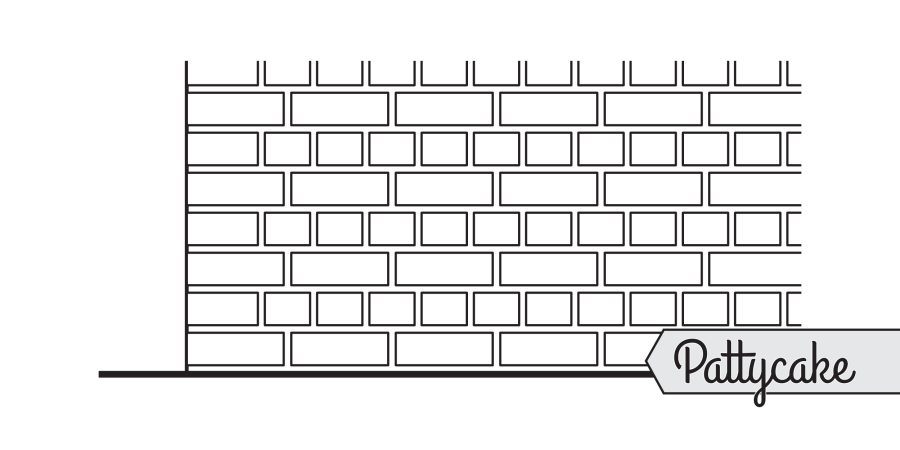
A simple line drawing of a brick wall with five horizontal rows and staggered bricks, perfect for CAD projects or as PAT files. The word Pattycake appears in script inside a label on the lower right corner.

For too long, CAD professionals have grappled with inefficient methods for repetitive elements. This case study rigorously compares traditional lines and blocks against the power of PAT files for creating architectural elevations. Discover how PAT files dramatically reduce file size and drawing time, offering unparalleled speed and flexibility for design changes. Our findings provide concrete evidence for optimizing your workflow, demonstrating significant time savings that directly impact project efficiency.

Oil Canning

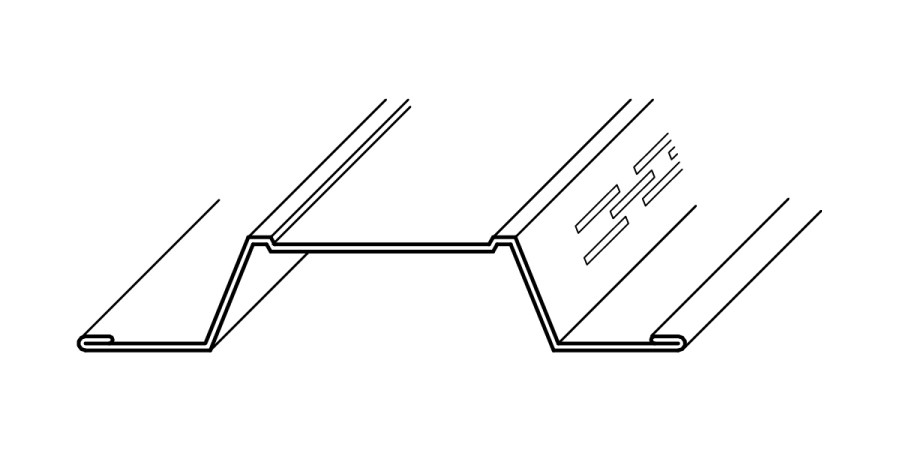
A series of seven evenly spaced, parallel black lines run diagonally from the upper left to the lower right on a white background with a faint, intricate pattern.

Oil canning, the visible waviness in thin-sheet metal, is a common cosmetic issue in architectural applications. While it doesn't compromise structural integrity, it can detract from a smooth aesthetic. This phenomenon arises from factors like thermal expansion, uneven loading, and manufacturing tolerances. Understanding its causes is crucial for prevention, with best practices including using thicker metals, matte finishes, and designing for proper thermal movement to ensure a pristine metal facade.

Hardwood & Softwood – Wood Types

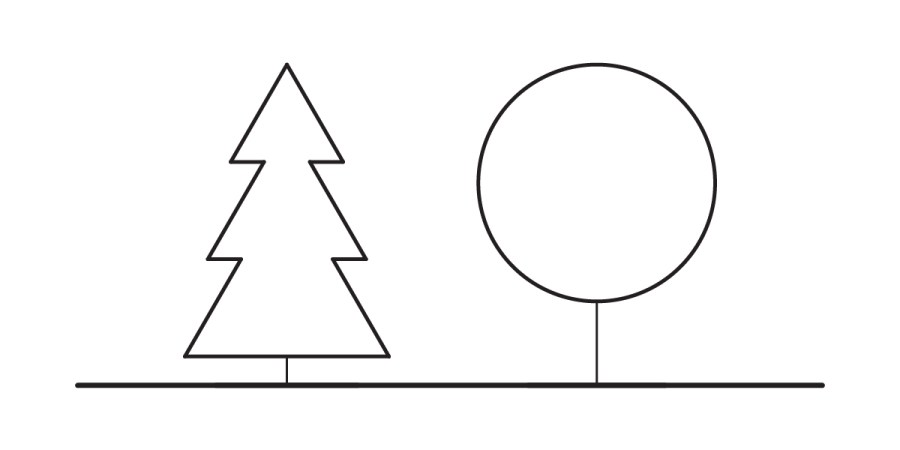
A simple line drawing of two trees on a horizontal line; the left tree, shaped like a triangle, suggests softwood, while the right tree’s circular form hints at hardwood or other wood types.

Explore the fundamental distinctions between hardwood and softwood, crucial for architectural projects. This guide delves into definitions of wood, lumber, and timber, clarifying their uses in rough and finish carpentry. Understand how properties, grading, and classifications influence material selection, from structural applications to aesthetically driven finishes. Learn about common wood defects and their impact on strength and appearance.

Hardwood & Softwood Charts

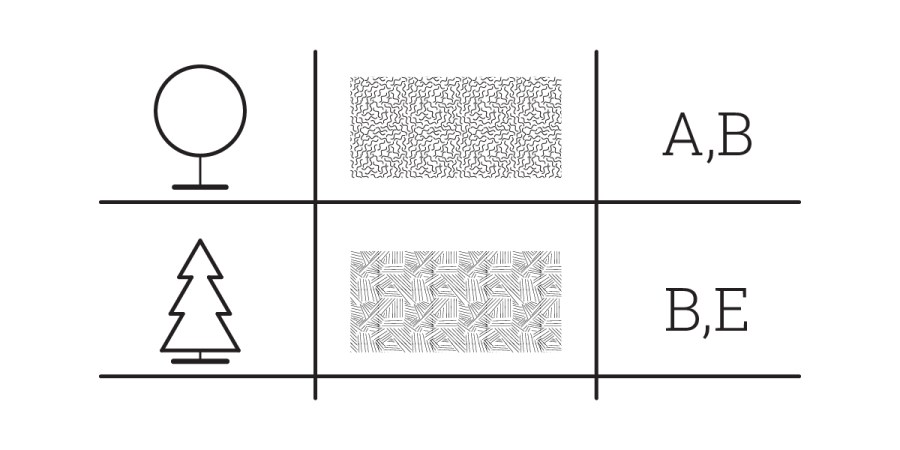
A table with two rows and three columns. The first row shows a globe, a wavy pattern, and the text “A, B.” The second row features a pine tree for softwood, a geometric line pattern, and the text “B, E.” Perfect for visual charts.

Understanding wood characteristics is crucial for architectural design. This comprehensive chart details various hardwoods and softwoods, outlining their scientific names, common variations, and key properties. From the durable strength of Oak for flooring to the aromatic decay resistance of Cedar for outdoor applications, this guide helps professionals select the ideal wood type for specific structural and aesthetic requirements, acknowledging that properties can vary based on species and processing.

Critical Path Method (CPM)

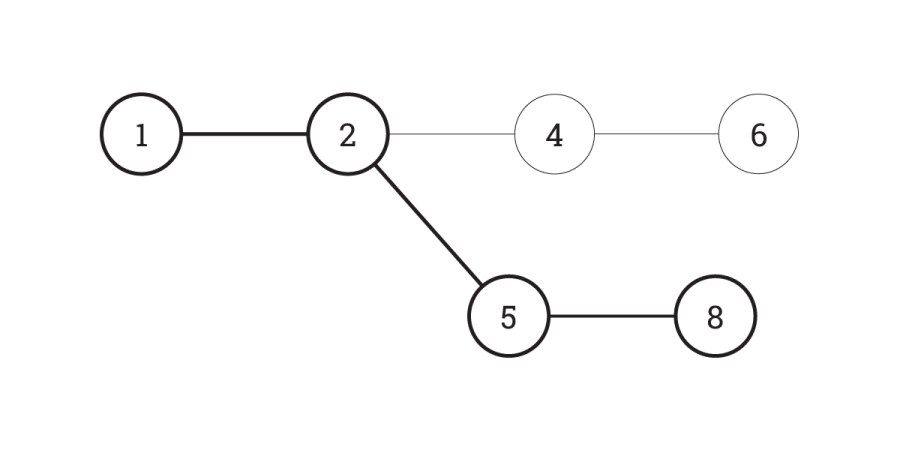
A simple CPM graph with six nodes labeled 1, 2, 4, 5, 6, and 8. In this project management diagram, node 1 connects to 2; 2 connects to 4 and 5; 4 connects to 6; 5 connects to 8. Nodes 1, 2, 5, and 8 are bold.

The Critical Path Method (CPM) is a crucial project management tool, offering a detailed network diagram to define activity sequences, durations, and interdependencies. Unlike GANTT charts, CPM excels at identifying project bottlenecks and critical activities—those whose delay directly impacts project completion. Understanding CPM allows professionals to streamline schedules, optimize resource allocation, and efficiently manage complex architectural and construction projects.

Glass Energy And Performance

Diagram showing sunlight shining on a vertical tube, with wavy arrows indicating light and Glass Energy entering through the sides of the tube. The sun is depicted in the upper right corner.

Glass is a critical element in building design, offering benefits like natural light and views that positively impact well-being. However, it also presents challenges regarding heat loss and gain. Understanding energy measurements such as U-Value and Solar Heat Gain Coefficient (SHGC) is crucial for balancing efficiency with aesthetic considerations, ensuring optimal performance in different climates and reducing energy consumption.

Electrical Outlet; Which Orientation Is Correct?

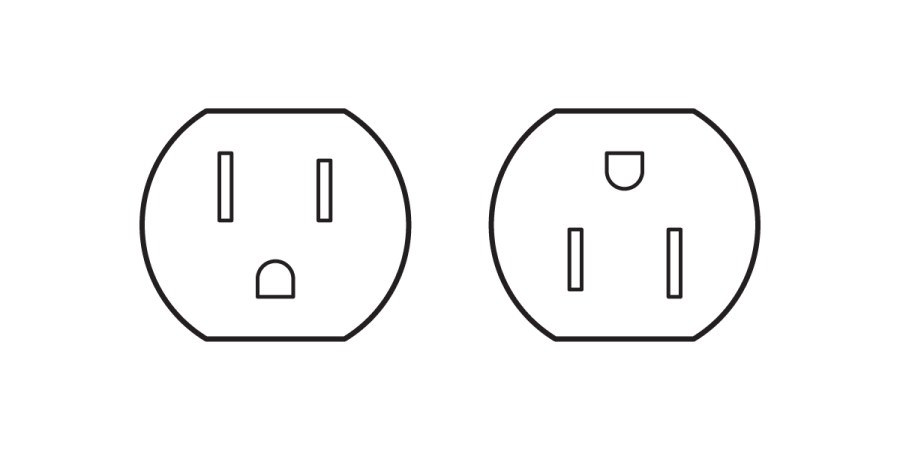
A simple black line drawing of two different electrical outlet types side by side on a white background; each outlet shows three prong slots with distinct configurations, illustrating correct electrical outlet position.

The orientation of electrical outlets, specifically the three-prong ground, often sparks debate. While functionality remains unaffected whether the ground is up or down, historical patents, such as US2872654A, indicate the inventor's original intention for the grounding plug to be positioned on top. However, common practice frequently shows outlets installed with the ground at the bottom, a phenomenon potentially influenced by pareidolia and the visual appeal of a "smiley face" configuration.

Housing Types

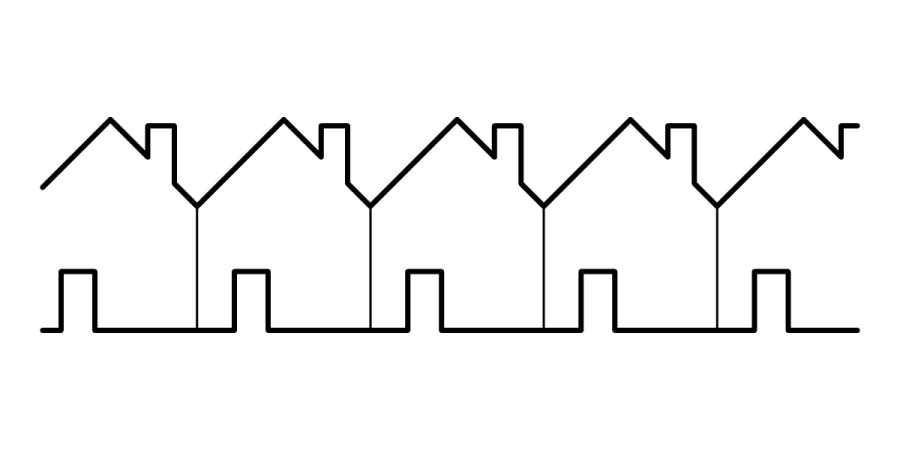
A simple black line drawing shows six connected house shapes in a row, each with a triangular roof and a rectangular door, illustrating different housing types in a continuous outline on a white background.

Urban planning hinges on housing, the most significant component of city design. Diverse housing typologies—from single-family homes to high-rise apartments—each present unique advantages and disadvantages for designers to consider. A successful urban environment thoughtfully integrates these various housing types with communal spaces and transportation methods to appeal to a broad demographic and foster a vibrant community.

Easement, Rights, and Eminent Domain

A diagram showing two simple house icons on either side of dashed lines forming an L-shaped shaded area, illustrating property boundaries, rights, or potential easement zones.

Understanding land use regulations is crucial in architecture. This resource clarifies easements, which grant specific usage rights without ownership, from utility and scenic easements to party walls and rights-of-way. It also delves into various property rights, including subsurface, air, solar, riparian, and littoral rights, alongside the government's power of eminent domain and the legal process of condemnation, providing essential knowledge for professionals.

Global Definitions

Two black-and-white line drawings of an ellipse with a dashed diagonal axis; the left shows longitudinal sections, while the right presents parallel cross-sections along that axis to illustrate global definitions of geometric concepts.

Understanding fundamental global and regional surveying definitions is crucial for architecture professionals. This includes grasping the distinctions between meridians and parallels, which form the basis for latitude and longitude. Further, familiarity with terms like checks, townships, and sections provides a foundational knowledge of land measurement and organization, essential for site analysis and project development.

Structural Insulated Panels (SIPS)

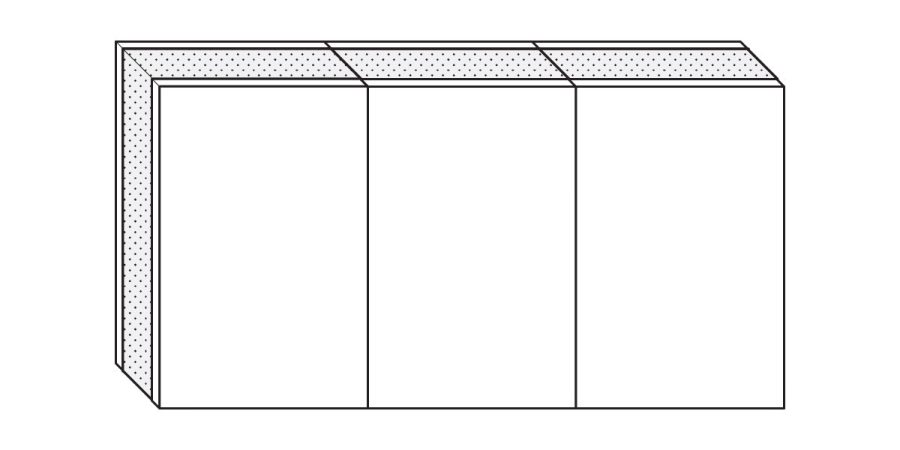
A simple line drawing of a rectangular three-panel cabinet with solid front doors and textured sides and top, viewed at an angle to show depth—design inspired by Structural Insulated Panels (SIPS) for enhanced durability.

Structural Insulated Panels (SIPs) offer a highly efficient and robust alternative to traditional construction. These composite units, typically featuring OSB skins and an EPS core, are factory-manufactured for precision and faster on-site assembly. Key advantages include reduced construction time, superior insulation with minimal thermal bridging, and enhanced structural integrity, making them a sustainable choice for modern architecture.

Drawing Set Abbreviations

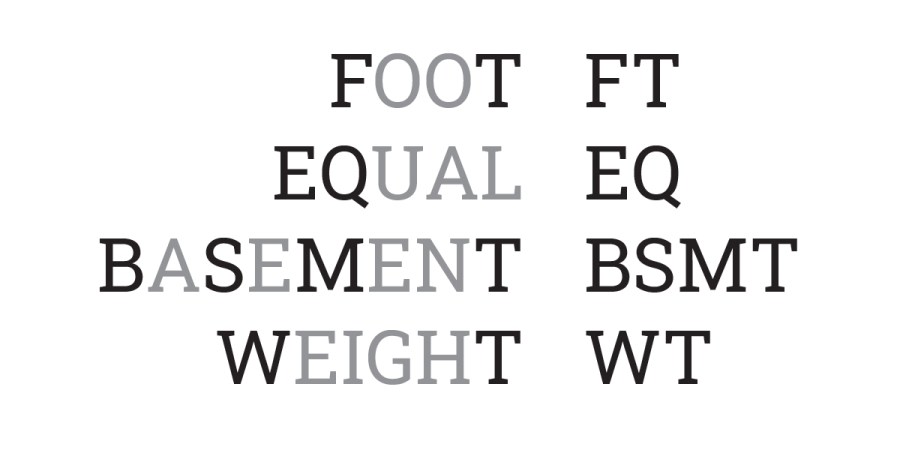
Four words—FOOT, EQUAL, BASEMENT, and WEIGHT—are each shown in full with their drawing set abbreviations: FT, EQ, BSMT, and WT, arranged in two columns on a white background.

Achieving consistency in architectural drawing sets is paramount, especially when using abbreviations. While specific abbreviations may vary between offices, the key lies in maintaining uniformity throughout a project's documentation. Listing all chosen abbreviations at the beginning of your drawing set, and ensuring new team members review them, is crucial for preventing frustrating inconsistencies and streamlining the design and construction process.

Concrete Formwork

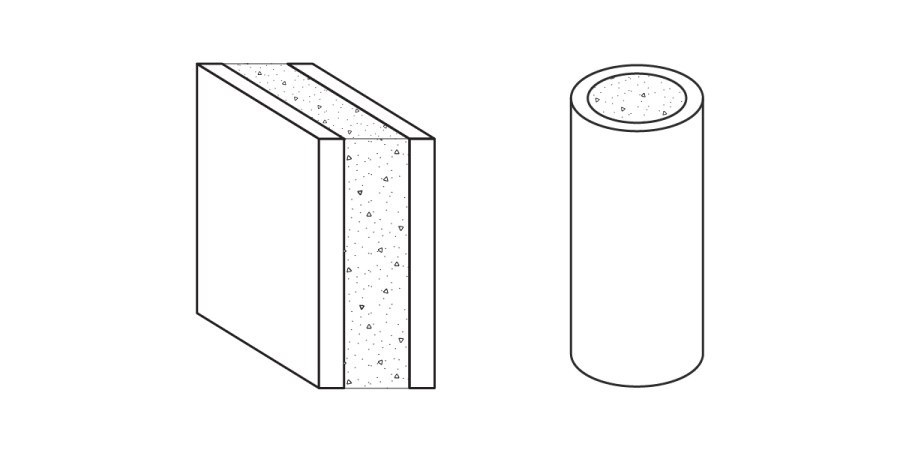
A black and white diagram shows a rectangular block with a textured inner layer and a smooth outer layer, illustrating concrete formwork, next to a solid cylinder with a small circular area visible at the top.

Formwork is essential for concrete construction, creating the temporary molds that shape wet concrete. While 3/4" plywood is standard, materials like steel and specialized coatings enhance reusability and durability. Key considerations include the formwork's strength to withstand immense concrete pressure and its constructability for easy assembly and removal. Modern advancements offer innovative solutions, such as insulated concrete forms (ICFs) that provide both structure and insulation, and specialized techniques like slip forming and flying forms that optimize efficiency for repetitive structures.

Concrete Problems

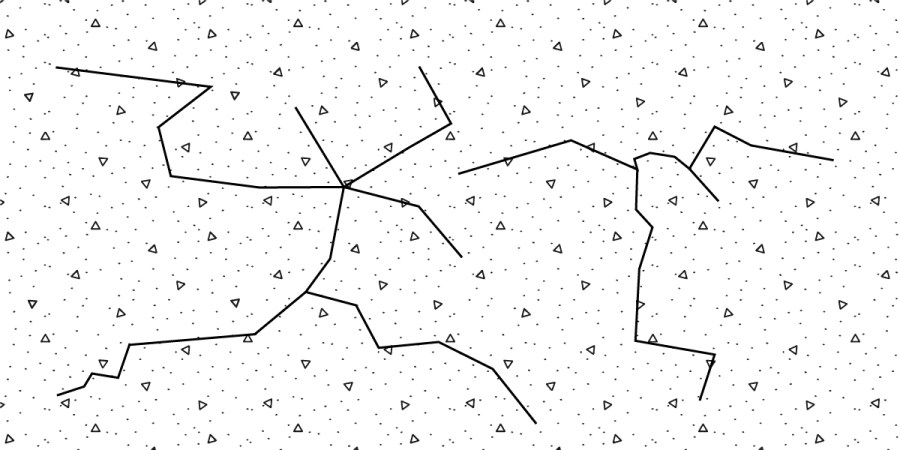
A white background filled with small black dots and tiny triangle shapes, overlaid with several intersecting and irregular black lines that form abstract, branching paths—suggesting the complexity of navigating concrete problems.

Concrete, a foundational material in architecture, can face various challenges beyond mere aesthetics. Internal issues like Alkali-silica Reaction (ASR), or "concrete cancer," and high alkalinity can compromise its structural integrity and affect finishes. While many tests exist to ensure strength, standardized procedures for pH levels are lacking, highlighting the need for careful specification, transport, and on-site practices to mitigate common problems.

Carpet Flooring

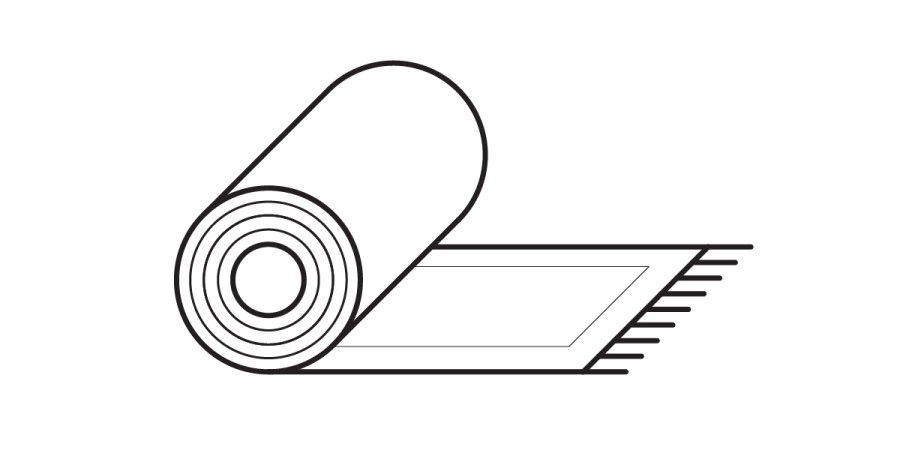
A black and white line drawing of a rolled-up rug or carpet with fringe on one end, partially unrolled on a flat surface—perfect for illustrating carpet flooring or professional flooring solutions.

Beyond aesthetics, carpets are a versatile and practical flooring choice, offering acoustic benefits, ease of maintenance, and diverse design possibilities. Understanding the various materials—from durable wool and nylon to resilient polypropylene—along with manufacturing styles like tufting and weaving, is key to specifying the right carpet. Additionally, considering carpet padding types and installation methods ensures optimal performance and longevity for any architectural project.

Catchment Areas

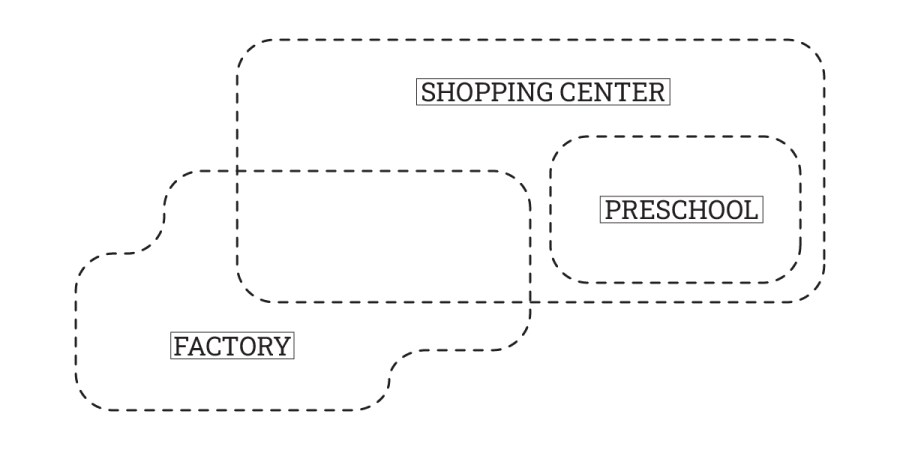
Diagram with three labeled catchment areas: FACTORY in the bottom left, SHOPPING CENTER in the upper right, and PRESCHOOL in the middle right. Each is enclosed by a dashed line, with some catchment areas overlapping.

Catchment areas, the geographic zones from which participants are drawn, are dynamic and often overlapping. They can be redefined by various factors, including infrastructure changes, economic growth, and even cultural norms influencing travel time. Understanding these ever-changing boundaries—be they local, regional, or national—is crucial for urban planners and architects, as they directly impact development, resource allocation, and community design.

Glazing Assemblies

Three closed books are standing upright in a row. The book on the left features a flame icon on its cover, while the other two resemble glass assemblies with plain covers and no additional markings.

Glass and glazing assemblies are critical components in architectural design, encompassing a range of definitions from glazier points and glazing tape to structural gaskets and frameless systems. Installation methods vary by manufacturer, with innovative solutions like spider systems offering unique aesthetic and structural possibilities. Building codes impose strict stipulations on glazing types and their applications, particularly concerning fire resistance and safety in areas prone to human impact, ensuring both structural integrity and occupant safety.

Concrete Overview

A seamless white background with a repeating pattern of small, randomly oriented black triangle outlines and scattered black dots offers a concrete overview of minimalist design.

Concrete is an incredibly versatile material, adaptable for structural and non-structural uses. From Joseph Aspdin's early Portland Cement to modern innovations, concrete's evolution has been remarkable. Understanding its basic components—cement, aggregates, and water—and how their proportions impact strength and workability is crucial for architects. This overview delves into concrete's history, materials, design considerations, and various types, offering a comprehensive guide for professionals.

Glass & Glazing Types

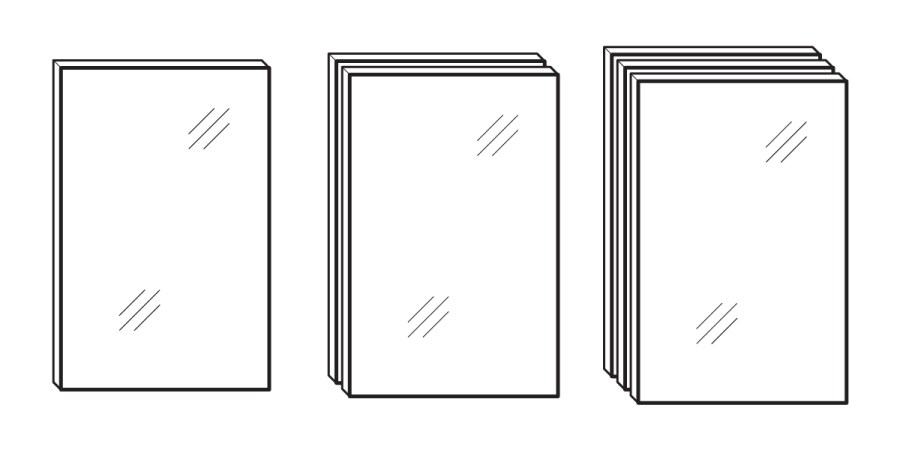
Three stacks of rectangular sheets illustrate various glass types: one sheet in the first stack, three in the second, and five in the third. Each sheet features two angled lines to suggest a reflective surface.

Understanding the diverse world of glass and glazing is crucial for architectural professionals. This comprehensive guide delves into various glass types, from the widely used float glass to specialized options like tempered, laminated, and low-emissivity glass. Explore definitions of key terms such as energy-efficient glazing and safety glass, and gain insights into how these materials contribute to building performance, aesthetics, and occupant comfort.

Paint

A black and white line drawing of a paint can with a lid partially open and a paint roller lying next to it on a white background.

Beyond aesthetics, understanding paint and color fundamentally impacts architectural outcomes. This guide delves into the composition of paints, differentiating between binders, pigments, carriers, and additives that define their performance. Explore various paint types, from solvent-based to epoxy and polyurethane, alongside critical considerations like gloss levels and the profound influence of light on perceived color.

Road Paving Materials

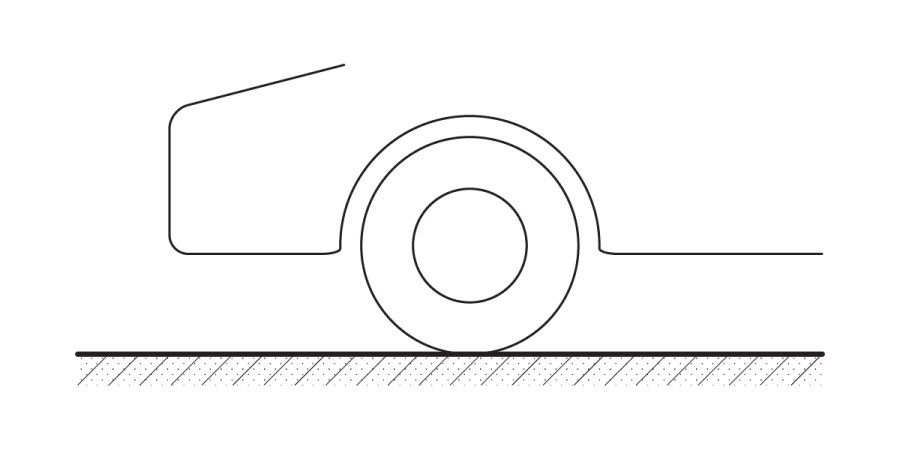
A simple black outline drawing of a car side profile, showing one wheel on a shaded surface representing the ground, subtly hinting at road paving materials beneath.

When designing durable infrastructure, the choice of road paving material is critical. From concrete's longevity for heavy loads and bridges, to asphaltic concrete's versatility, and even specialized pervious options for water management, understanding each material's properties is essential. This guide outlines common paving materials, their construction methods, and ideal applications, offering insights for architects and designers to inform their project specifications.

Fire Sprinklers

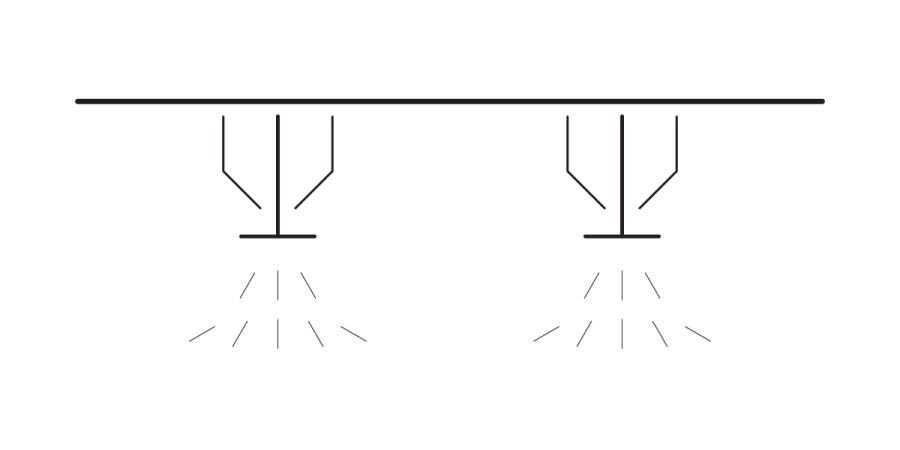
A simple black and white line drawing shows two ceiling-mounted fire sprinklers releasing water downward, depicted by angled lines spreading from each fire sprinkler head.

Understanding fire sprinkler systems is crucial for architectural professionals. This guide details different sprinkler types—wet, dry, pre-action, and deluge—along with various sprinkler heads like upright, sidewall, and pendant. It also covers the benefits, such as reduced insurance premiums and code trade-offs, and how NFPA classifications determine system requirements, providing essential knowledge for designing safer buildings.

Fire Alarms & Notifications

A simple line drawing of a fire alarm bell on the left and a flame icon on the right, both depicted in black outlines on a white background, representing Fire Alarm Notifications.

Understanding fire alarm and detection systems is crucial for building safety and code compliance. From early-warning ionization detectors to final-stage flame sensors, a combination of technologies is often needed to ensure quick response and effective containment. Municipalities offer incentives for enhanced fire protection, highlighting the importance of strategically located detectors and robust notification systems that pressurize egress routes to direct smoke, ensuring occupant safety.

Covenants

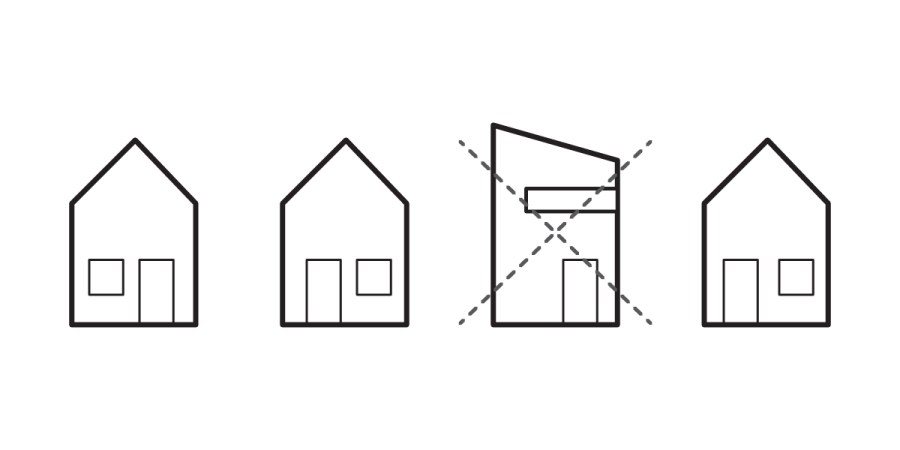
Four simple house outlines in a row; the third house has an angled roof and is divided by dashed diagonal lines, while the others have standard peaked roofs and doors and windows.

Covenants are legal agreements protecting specific land use conditions. More stringent than zoning, they ensure aesthetic harmony and quality in developments. From single-property restrictions to large-scale residential guidelines enforced by HOAs and Architectural Review Boards, covenants control aspects like building style, size, and design compatibility, although discriminatory clauses are illegal and unenforceable.

Quality Control & Coordination

A simple black and white line drawing of a magnifying glass, symbolizing quality control, with a circular lens and straight handle, shown on a plain white background.

Navigating quality control in architecture is crucial for successful projects. From QAQC acronyms to critical considerations like dimensional tolerances, aesthetics, and mock-ups, understanding these elements is vital. Architects ultimately hold the authority to ensure construction adheres to design intent and aesthetic standards, directly impacting project outcomes and client satisfaction.

CSI MasterFormat Specifications

The image shows the word SPEC in large bold letters above three pairs of number signs (## ## ##), each pair enclosed in a dashed box, referencing Specifications or the CSI MasterFormat numbering system.

The CSI MasterFormat is an essential tool for organizing construction specifications in the U.S. Its standardized 6-digit division system, covering everything from existing conditions to specialized equipment, ensures clarity and reduces errors. Professionals benefit from its established framework, preventing gaps and overlaps, and simplifying product specification with manufacturer-provided formats. This consistent layout streamlines project documentation across all construction industries.

Slopes & Ramps

A series of nine horizontal black lines with varying angles and spacings, some solid and some dashed, are arranged on a white background. The lines become increasingly slanted from top to bottom, resembling a set of abstract slopes.

Understanding slopes and ramps is crucial for architectural design and construction. This comprehensive guide details nominal and actual dimensions for common lumber sizes, essential for accurate planning. We also delve into critical slope principles, including pitch, percentages, and degrees, alongside practical rules of thumb for drainage and unpaved surfaces. Ensure your projects meet both aesthetic and functional requirements with precise slope calculations.

Roofing Types & Info

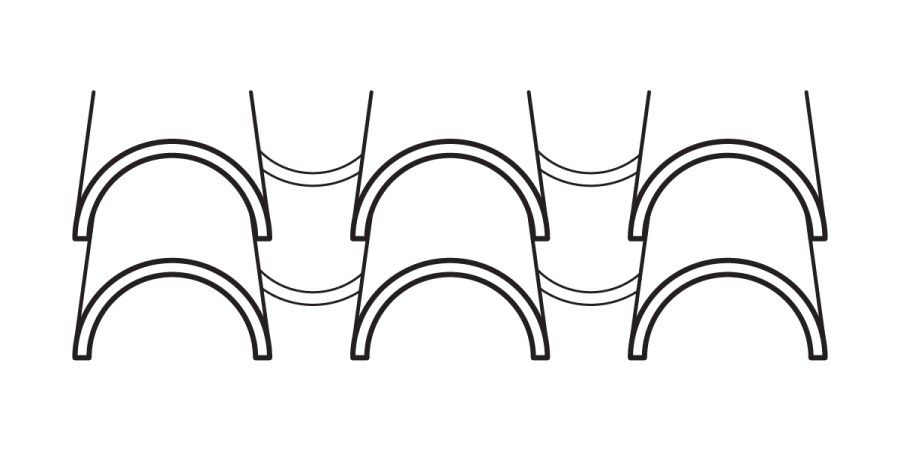
A black and white line drawing of overlapping arches arranged in two horizontal rows, creating a repeating geometric pattern against a white background.

Understanding diverse roofing systems is crucial for architectural success. From traditional shingles and durable tiles to advanced membrane options and metal solutions, each type offers unique advantages in terms of material, installation, and performance. This comprehensive guide delves into various roof types, highlighting key considerations like slope, ponding prevention, material properties, and essential accessory components, ensuring informed decisions for lasting structural integrity.

Lumber Sizes

Three rectangular prisms of increasing sizes are drawn in black outline. Each prism, resembling stacked lumber, features diagonals connecting the corners of their front and back faces, forming an X shape on each end.

Understanding lumber sizes is crucial for accurate architectural design and construction. While nominal dimensions (like 2x4) are commonly used, the actual size of dried lumber differs due to moisture evaporation. This reduction is consistent, not a percentage, meaning larger pieces also shrink similarly. This guide clarifies the distinction between nominal and actual lumber dimensions, providing essential information for professionals to ensure precise material specification and avoid common pitfalls.